
Mata Hari: The Daring Dancer Whose Double Agent Dreams Led to Death
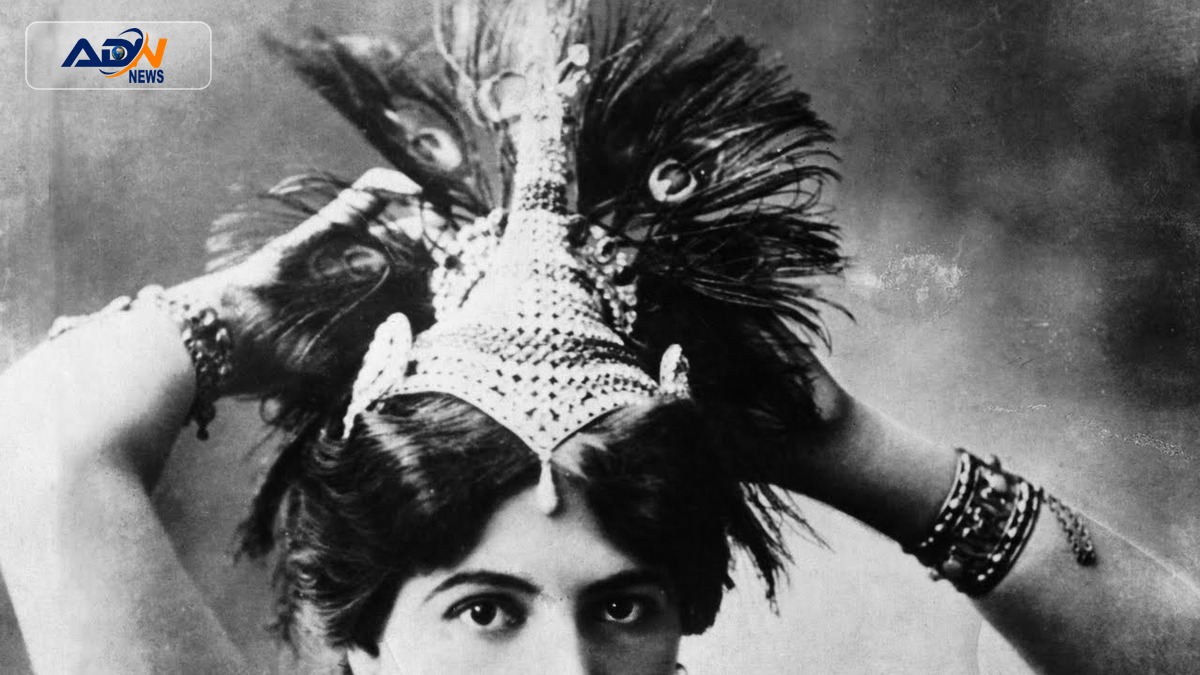
AMSTERDAM: Mata Hari, the infamous exotic dancer and alleged double agent, remains a controversial figure whose life and death continue to captivate the world. Born Margaretha Geertruida Zelle in 1876, she gained fame during World War I for her performances and purported espionage activities, ultimately leading to her execution by firing squad in 1917.
Despite her morally ambiguous lifestyle, Mata Hari’s charisma and talent made her a prominent personality of her time. She became a sensation in Paris, captivating audiences with her provocative dances. However, her allure masked a darker reality as she was accused of spying for Germany, a charge that would seal her fate. Historical accounts suggest that her trial was marred by sensationalism and a lack of concrete evidence, raising questions about the motivations behind her prosecution.
The legacy of Mata Hari serves as a reminder of the complexities of identity and the consequences of war. Her story reflects the struggles faced by women in the early 20th century, navigating societal expectations while pursuing their ambitions. The fascination with her life continues to inspire books, films, and discussions about gender roles and the nature of espionage.
As historians delve deeper into her life, upcoming exhibitions and publications are expected to shed new light on her enigmatic persona. Scholars are particularly interested in exploring the intersection of art, politics, and gender during wartime, which Mata Hari epitomized.