
NASA’s Voyager 1 Achieves Historic Milestone with Signals Taking a Day
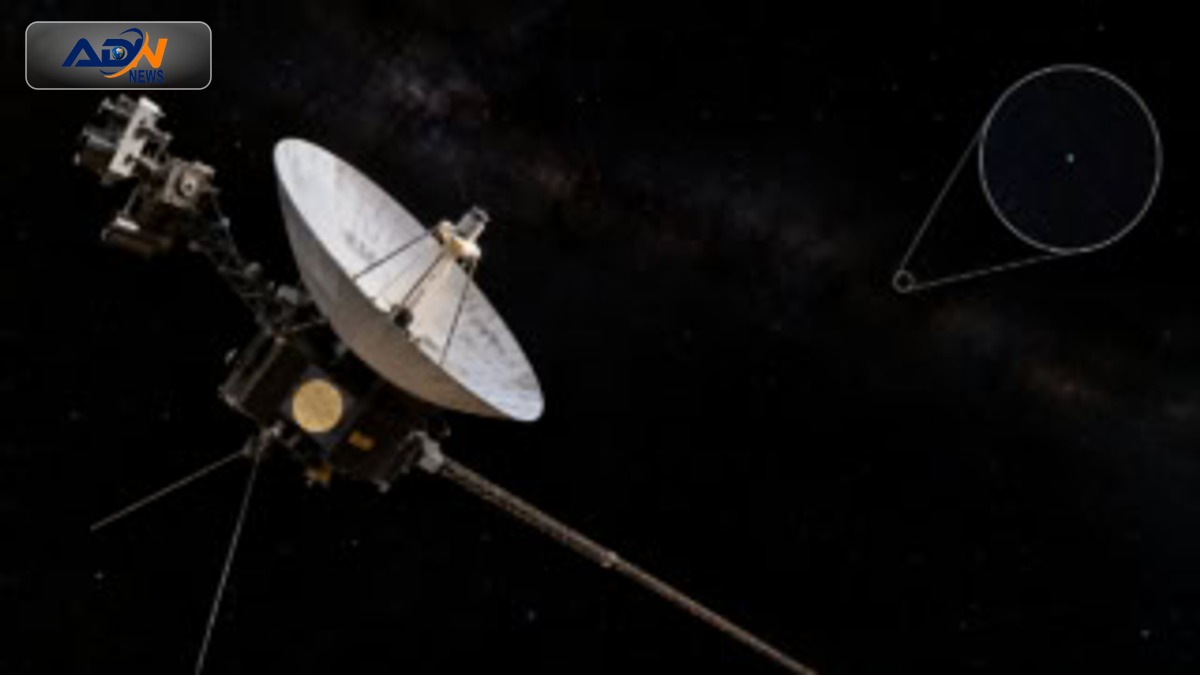
WASHINGTON: NASA’s Voyager 1 has made history by becoming the first human-made object to reach a distance of one light-day from Earth, achieving this remarkable milestone on November 18, 2026, at precisely 10:16:07 UTC. This places the spacecraft an astonishing 25.9 billion kilometers away from our planet, marking a significant achievement in space exploration.
The Voyager 1 mission, launched in 1977, has been a cornerstone of NASA’s efforts to explore the outer solar system and beyond. At its current distance, a radio signal traveling at the speed of light takes a full 24 hours to reach the probe, underscoring the vastness of space and the challenges of interstellar communication. NASA officials have expressed their excitement over this milestone, highlighting the probe’s ongoing contributions to our understanding of the cosmos.
This achievement not only reflects the technological advancements of the past decades but also emphasizes the importance of continued investment in space exploration. As Voyager 1 ventures further into interstellar space, it provides invaluable data that could inform future missions and deepen our understanding of the universe.
Looking ahead, NASA plans to continue monitoring Voyager 1’s journey and gather data from its instruments. The agency is also preparing for upcoming missions that aim to explore other distant celestial bodies, ensuring that the spirit of exploration remains alive.