
Nepal Implements Artificial Scent Marking to Protect Villages from Big Cats
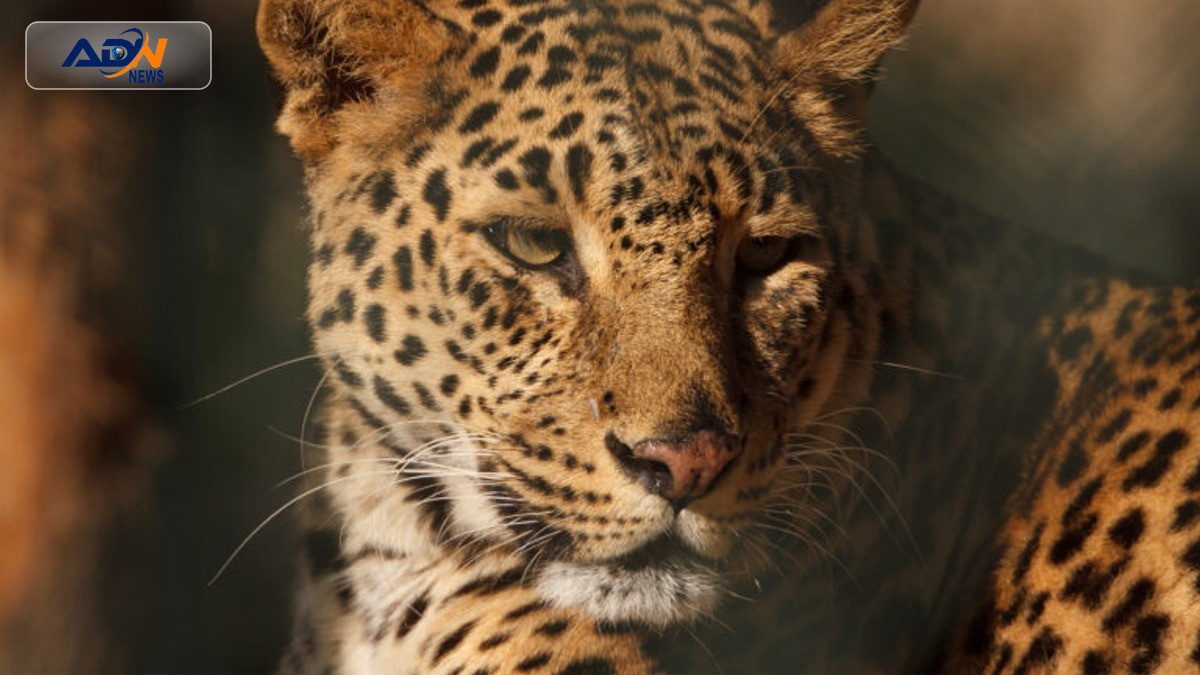
KATHMANDU: In a pioneering effort to mitigate human-wildlife conflict, Nepal is adopting artificial scent marking techniques to deter big cats from encroaching on villages. This initiative, inspired by similar measures in Botswana, aims to protect both local communities and the endangered species.
Officials from Nepal’s Department of National Parks and Wildlife Conservation announced the program, which involves using synthetic scents that mimic the territorial markings of big cats. By deploying these scents around village peripheries, authorities hope to create a psychological barrier that encourages the animals to stay away from populated areas. “This method has shown promise in other regions, and we believe it can help reduce the frequency of dangerous encounters between humans and big cats,” said a spokesperson from the department.
The implications of this strategy extend beyond wildlife protection; it also addresses the safety concerns of rural communities that have faced increasing threats from big cat sightings. With agriculture being a primary livelihood for many in these areas, ensuring the safety of both people and livestock is crucial for economic stability. The initiative is expected to foster a more harmonious coexistence between humans and wildlife, potentially reducing the need for lethal measures against these animals.
Looking ahead, the Nepalese government plans to monitor the effectiveness of the artificial scent marking over the coming months. Further assessments will determine if additional measures are necessary to enhance community safety and wildlife conservation efforts. Workshops and community engagement programs are also in the pipeline to educate locals about the importance of wildlife preservation.