
Netanyahu Faces Political Setback as Rivals Gain Momentum in Israel
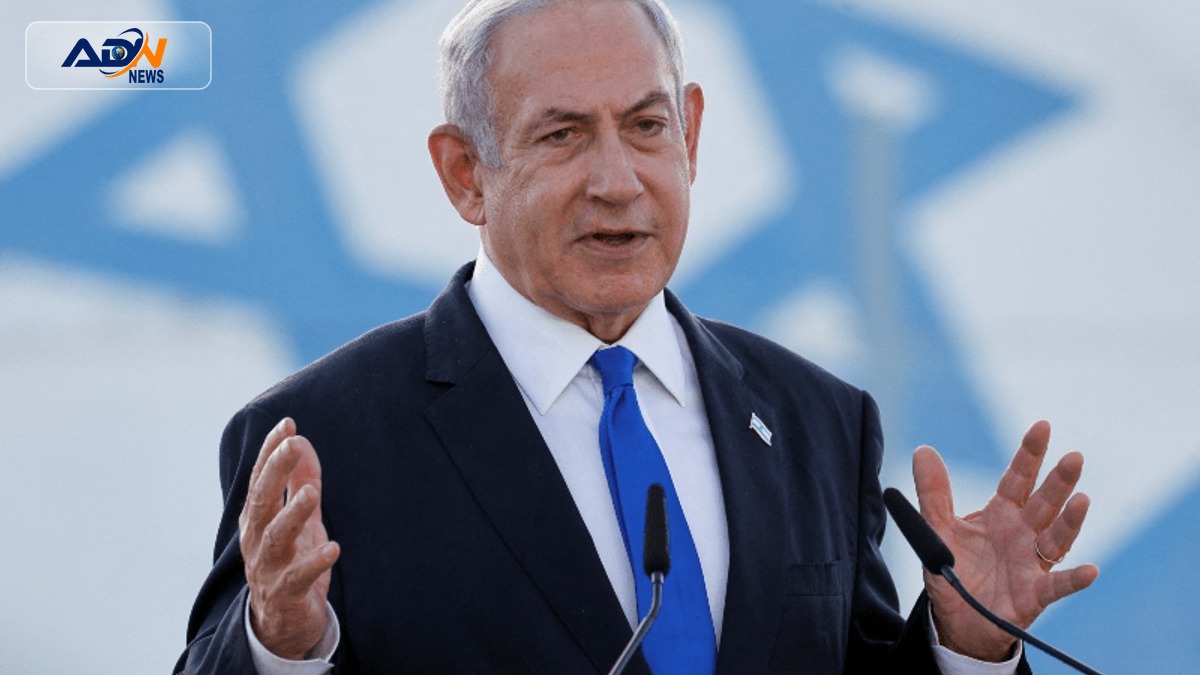
JERUSALEM: Israeli Prime Minister Benjamin Netanyahu’s grip on power weakened significantly on Thursday as the ultra-Orthodox United Torah Judaism party withdrew its support for any nominee, while two Arab-led parties endorsed his main rival, Gadi Eisenkot, in the ongoing post-election negotiations.
President Isaac Herzog is currently engaged in consultations with various political factions in Jerusalem to determine whether to endorse Netanyahu or Eisenkot, a former military chief, to form a new government. Herzog has until November 11 to make a decision following the October 27 elections, which resulted in a deadlock, leaving neither candidate with a clear majority in the 120-seat Knesset.
Despite Netanyahu’s Likud Party securing the most seats with 27, his broader nationalist-religious coalition only amassed 53 seats, losing its governing majority. In contrast, Eisenkot’s anti-Netanyahu coalition, comprising four centre-left to right-wing Jewish parties, garnered 48 seats, indicating a shift in political dynamics.
As the political landscape evolves, the implications for Israeli governance and policy direction are significant. The upcoming days will be crucial as Herzog continues his discussions, and the potential for a new coalition government emerges, which could reshape Israel’s political future.