
New Delhi Imposes Fresh Restrictions to Combat Severe Winter Air Pollution
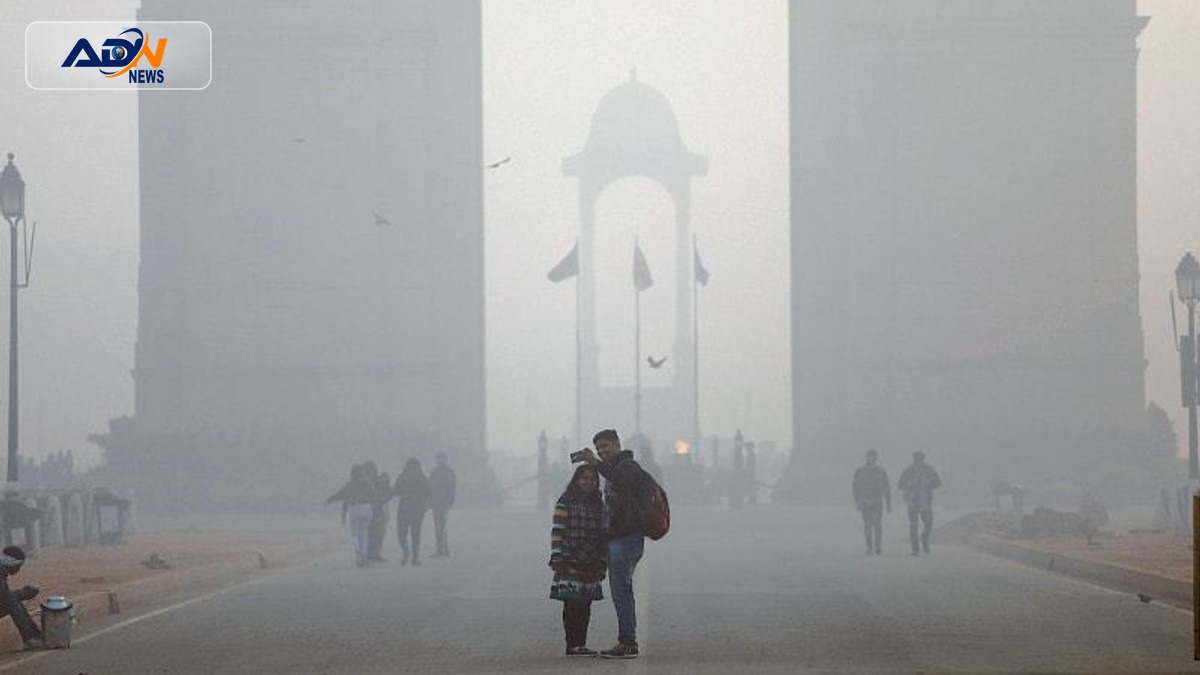
NEW DELHI: India’s capital began implementing its annual suite of emergency anti-pollution measures on Thursday as part of a preemptive push to mitigate the hazardous winter smog that routinely blankets the megacity of 30 million people. The Delhi government announced an immediate ban on open rubbish burning and directed all commercial food establishments to stop using coal or firewood, seeking to curb emission sources before atmospheric conditions drastically worsen over the coming weeks.
The seasonal deterioration of air quality in New Delhi is driven by an influx of agricultural stubble burning in neighboring agrarian states, combined with vehicular exhaust, heavy construction dust, and industrial emissions. During the winter months, cooler temperatures and sluggish wind speeds trap fine particulate matter close to the ground, creating a thick toxic canopy across the capital region. In previous years, microparticle levels of PM 2.5—the most dangerous airborne cancer-causing pollutant—frequently soared past 300 micrograms per cubic metre, exceeding the World Health Organisation’s safe daily limit by more than twenty-fold.
Despite recurring regulatory interventions, previous enforcement campaigns have largely failed to halt the public health crisis, which severely impacts tens of millions of residents from November through January. Hospitals in the capital city consistently record hundreds of thousands of respiratory illness cases during peak winter pollution cycles, heavily straining the public healthcare infrastructure. Environmental analysts emphasize that localized curbs on small vendors and municipal waste yield limited success unless comprehensive cross-border agricultural and industrial regulations are strictly enforced across northern India.
Municipal authorities and environmental monitoring teams are expected to step up surprise inspections, deploy water sprinklers, and monitor industrial compliance across high-density zones in the metropolitan area. Officials are also keeping options open for escalating to higher alert tiers under the Graduated Response Action Plan, which could mandate restrictions on private vehicles, halt non-essential construction work, and force primary schools to transition to remote learning if air quality indices deteriorate further.