
New Scientific Study Reveals Bumblebees Possess Advanced Problem-Solving
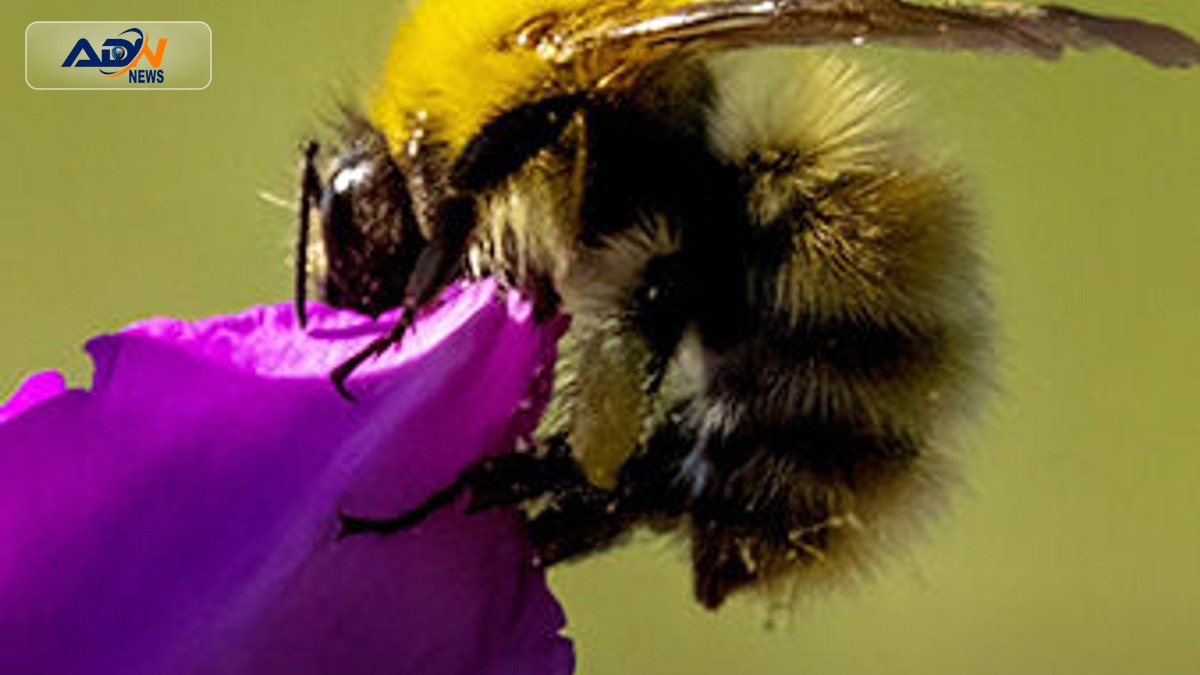
LONDON: Groundbreaking research published by environmental scientists has revealed that bumblebees possess sophisticated cognitive abilities, demonstrating an advanced capacity for problem-solving previously thought absent in insects. The study highlights how these vital pollinators navigate complex physical obstacles to access food sources, challenging long-held assumptions about invertebrate intelligence.
According to the research findings, bumblebees utilize observational learning and trial-and-error mechanisms to manipulate objects and solve multi-step puzzles. Lead researchers noted that individual bees could successfully remember and replicate learned behaviors over extended periods, showcasing a remarkable level of cognitive flexibility and neurobiological adaptation within natural ecosystems.
This scientific breakthrough carries profound implications for global biodiversity conservation and agricultural policy. As ecosystems face mounting pressures from habitat loss and climate change, understanding the intricate behaviors of key pollinators like bumblebees is crucial for developing effective preservation strategies to safeguard vulnerable food webs and ensure long-term ecological stability.
Conservationists and academic institutions are now calling for further field studies to examine how environmental stressors, such as pesticide exposure and warming temperatures, impact the cognitive performance of wild insect populations. Upcoming research initiatives aim to monitor these behavioral metrics across diverse geographic regions to better inform global wildlife protection frameworks.