
Nickel Trade on London Metal Exchange Linked to Deforestation in Indonesia
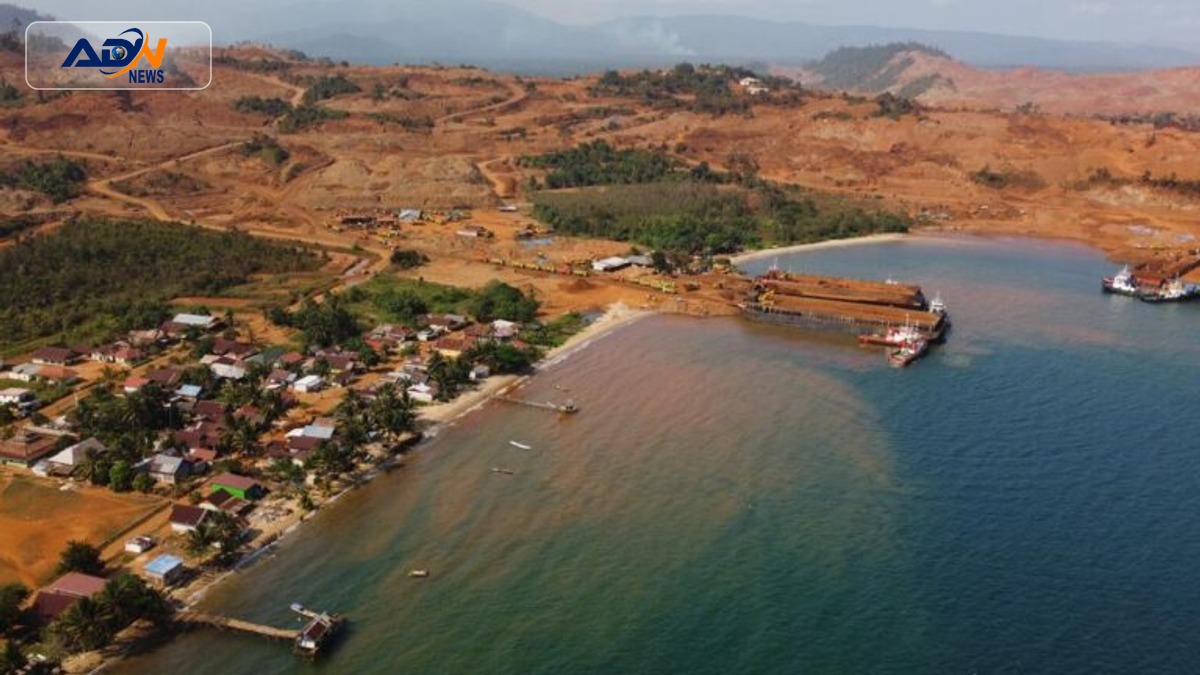
LONDON: A recent report highlights the troubling connection between nickel trading on the London Metal Exchange (LME) and deforestation in Indonesia, raising concerns among environmentalists and policymakers alike. The findings suggest that the demand for nickel, a key component in electric vehicle batteries, is driving significant forest loss in the region.
The report, published by Mongabay Environment News, details how nickel mining operations in Indonesia are contributing to widespread deforestation, threatening biodiversity and local communities. Experts warn that without stricter regulations and sustainable practices, the environmental costs of nickel extraction could outweigh its benefits in the fight against climate change.
This revelation has broader implications for global supply chains and the push for greener technologies. As countries strive to transition to renewable energy sources, the environmental impact of sourcing materials like nickel must be scrutinized. Activists are calling for greater transparency and accountability from companies involved in the nickel trade, urging them to adopt sustainable practices that protect forests and ecosystems.
In response to these findings, stakeholders in the nickel supply chain are expected to convene for discussions on sustainable mining practices. Environmental groups are advocating for immediate action to mitigate the impact of nickel mining on Indonesia’s forests, emphasizing the need for comprehensive policies that balance economic growth with environmental preservation.