
Oil Pollution Threatens Marine Protected Areas, New Report Warns
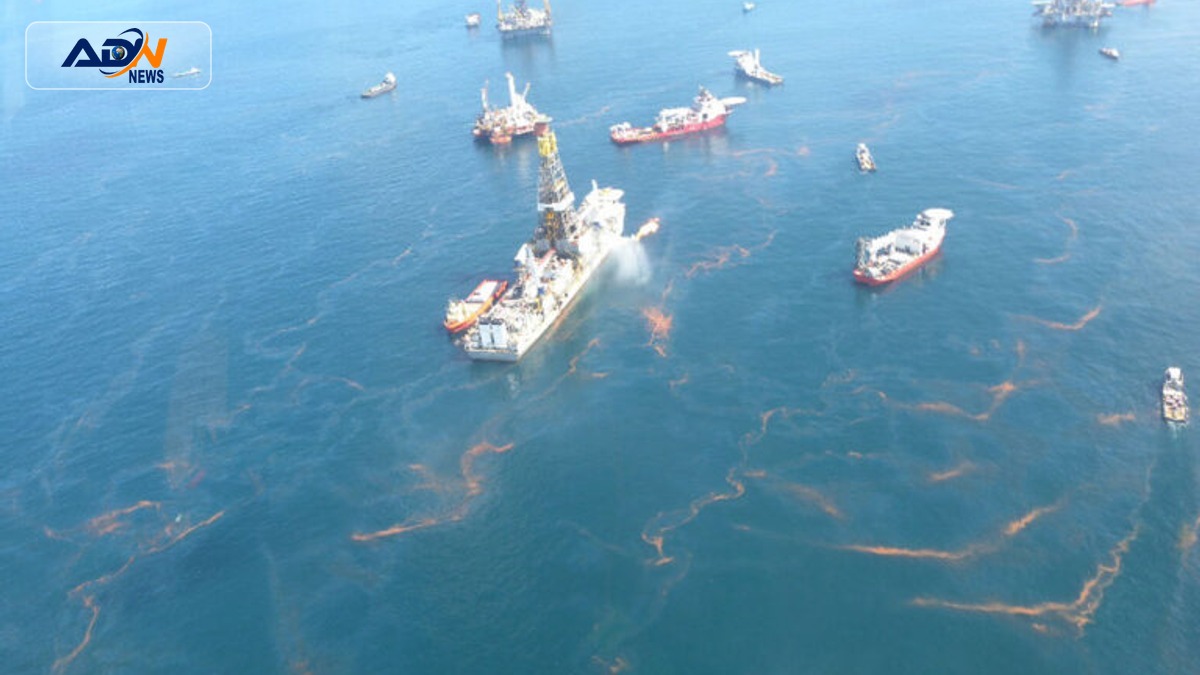
WASHINGTON: A recent report by Mongabay highlights alarming levels of oil pollution encroaching upon marine protected areas, raising urgent concerns about the health of marine ecosystems. The report indicates that oil spills and runoff are increasingly affecting these vital habitats, which are designed to safeguard biodiversity and promote ecological resilience.
Experts emphasize that the findings underscore a growing environmental crisis, with significant implications for marine life and coastal communities. “The integrity of these protected areas is at risk, and immediate action is necessary to mitigate further damage,” stated Dr. Emily Carter, a marine biologist involved in the study. The report notes that over 30% of marine protected areas are now experiencing oil contamination, a stark increase from previous years.
This situation poses serious threats not only to marine biodiversity but also to the livelihoods of communities that depend on healthy oceans for fishing and tourism. As oil pollution disrupts ecosystems, it can lead to declines in fish populations and the degradation of coral reefs, which are crucial for maintaining marine life. The report calls for enhanced regulatory measures and international cooperation to address the sources of oil pollution.
In response to these findings, environmental organizations are planning a series of meetings with policymakers to advocate for stronger protections for marine areas. The upcoming United Nations Ocean Conference will also serve as a platform to discuss strategies for combating oil pollution and preserving marine biodiversity.