
Orionid Meteor Shower Begins as Earth Passes Halley’s Comet Debris
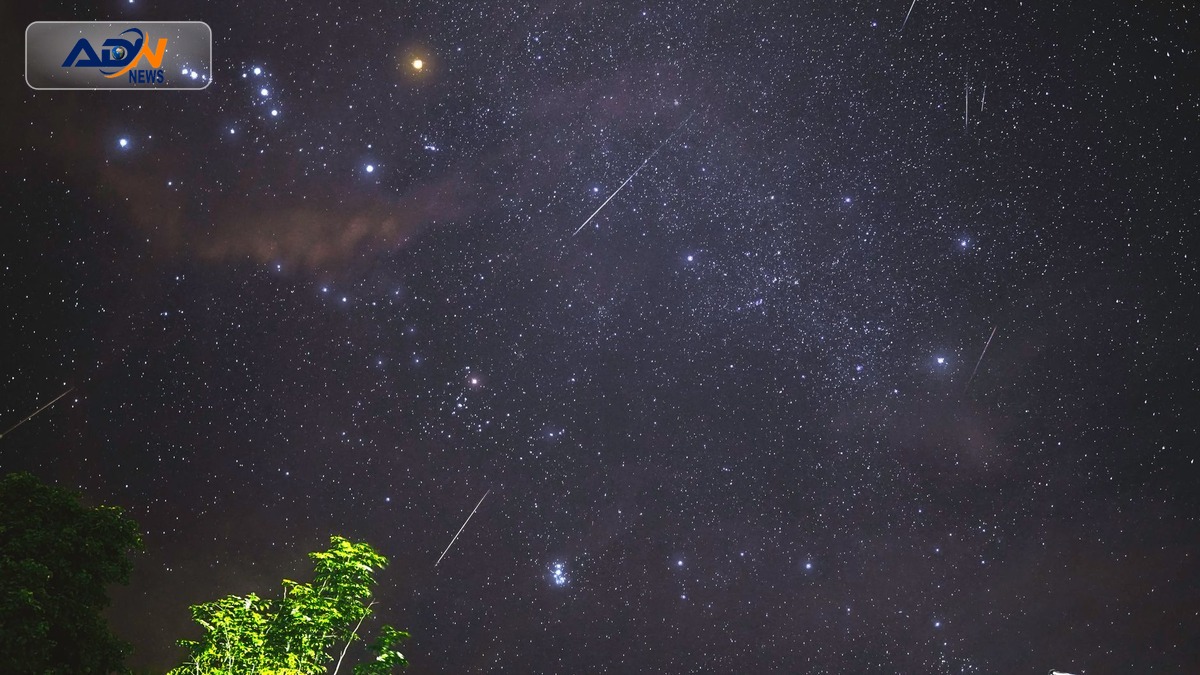
LONDON: The annual Orionid meteor shower has officially commenced as Earth begins its journey through the debris field left behind by Halley’s Comet, promising a spectacular celestial display for stargazers worldwide. The astronomical event, which starts this Friday, is set to intensify over the coming weeks before reaching its peak later in October, offering a unique opportunity for both professional astronomers and amateur skywatchers to observe one of the year’s most reliable meteor displays.
According to astronomers, the Orionids are known for their speed and brightness, traveling at approximately sixty-six kilometers per second into Earth’s atmosphere. These meteors are formed from tiny particles of dust and ice shed by Halley’s Comet during its seventy-six-year orbit around the Sun. As these fragments collide with our atmosphere, they vaporize, creating the brilliant streaks of light visible from the ground. Experts recommend finding a dark location away from city lights, allowing eyes to adjust to the darkness for at least twenty minutes to maximize visibility.
The event highlights the growing global interest in astrotourism and the preservation of dark sky reserves, which are increasingly threatened by urban light pollution. Environmentalists and dark-sky advocates emphasize that protecting natural nightscapes is crucial not only for scientific observation but also for nocturnal wildlife ecosystems. The visibility of the Orionids serves as a timely reminder of the delicate balance between rapid urban development and the preservation of our natural environment.
The meteor shower is expected to reach its peak activity between October 21 and 22, when up to twenty meteors per hour may be visible under optimal conditions. Astronomers advise monitoring local weather forecasts for clear skies and planning observations during the post-midnight hours when the constellation Orion is high in the sky.