
Pakistan Hosts Makkah Pact Nations Summit to Address Regional Security
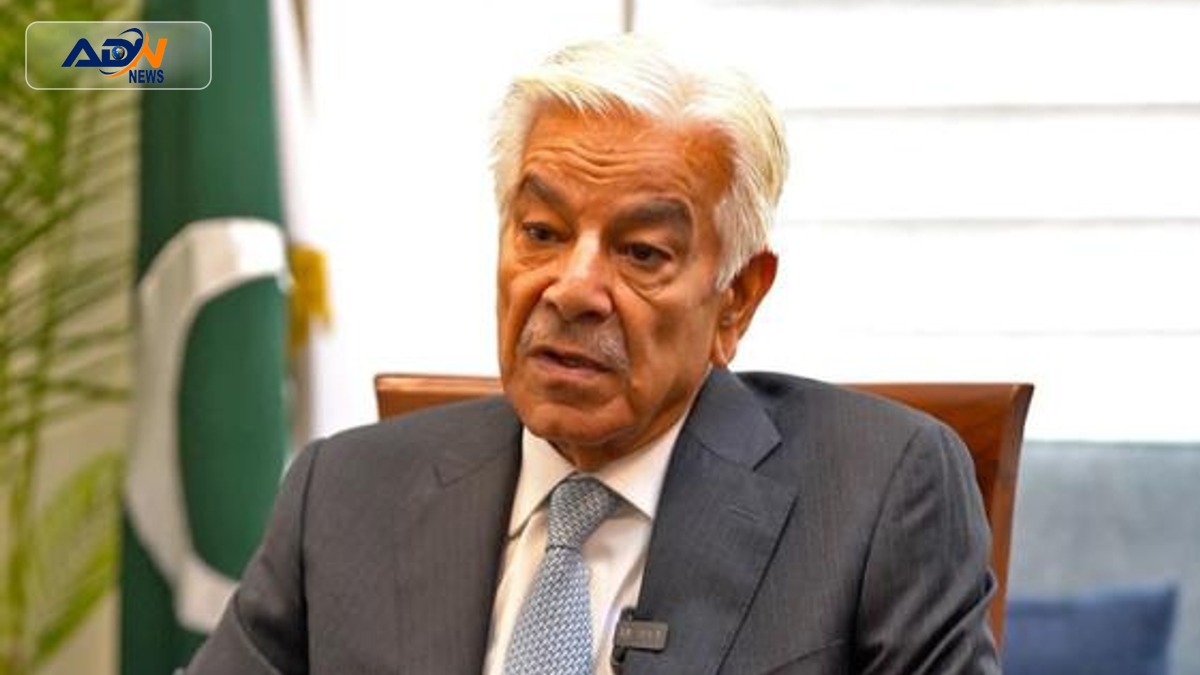
ISLAMABAD: Pakistan is currently hosting a high-level conference of the Makkah Pact member nations in the federal capital, with discussions centering heavily on evolving regional security dynamics and the ongoing humanitarian and political crisis in Yemen, Defence Minister Khawaja Asif confirmed on Tuesday. The high-profile diplomatic gathering brings together key regional stakeholders to deliberate on coordinated approaches toward stabilizing conflict zones and reinforcing mutual defense and diplomatic cooperation across the Muslim world.
Addressing the delegates, Minister Khawaja Asif underscored Islamabad’s unwavering commitment to maintaining regional peace and fostering solidarity among allied nations. He noted that the deliberations encompass a comprehensive review of the Yemen situation, alongside broader counter-terrorism strategies and diplomatic confidence-building measures. The sessions aim to formulate a unified stance on mitigating regional volatility while ensuring active participation from all member states in addressing shared geopolitical challenges.
The diplomatic engagement holds profound significance for Pakistan’s foreign policy and its strategic positioning within the wider Middle Eastern and South Asian security architecture. By facilitating high-level dialogue among Makkah Pact countries, Islamabad seeks to reinforce its role as a constructive mediator in regional disputes, potentially paving the way for enhanced economic cooperation and intelligence sharing. Analysts view the summit as a crucial step toward harmonizing foreign policies of allied Islamic nations amidst shifting global alliances.
The multi-day conference is scheduled to conclude with a joint communique detailing consensus agreements on humanitarian assistance and collaborative security frameworks. Subsequent follow-up meetings at the ministerial level have been proposed to monitor the implementation of the decisions reached during the Islamabad consultations, signaling a long-term commitment to institutionalizing cooperation among the participating states.