
Pakistan’s Fertiliser Sector Faces Challenges Amid Recovery Signs
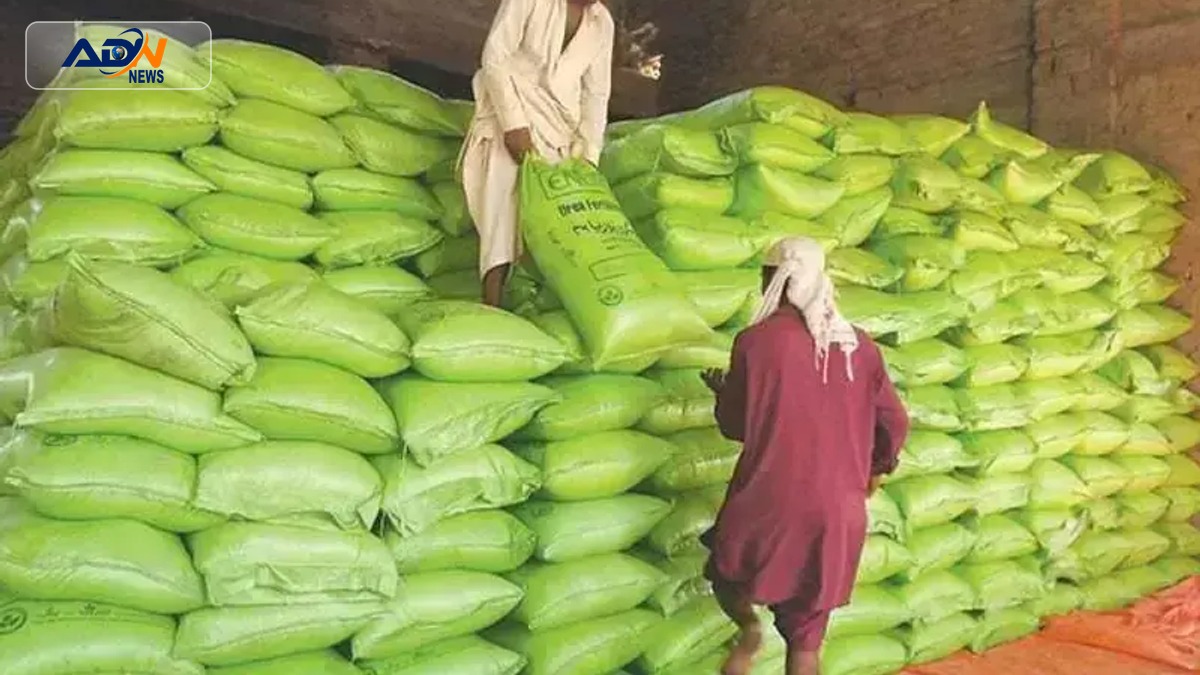
ISLAMABAD: Pakistan’s fertiliser sector enters the final months of 2026 with cautious optimism, as the outlook for urea appears stronger than that for phosphatic fertilisers. Domestic demand for nitrogenous fertilisers shows signs of recovery, yet the persistent decline in diammonium phosphate (DAP) offtake highlights the affordability challenges faced by farmers.
According to the National Fertiliser Development Centre (NFDC), urea sales increased by 8.4% during the Kharif season, while DAP offtake saw a significant decline of 25.4%. The upcoming Rabi season, particularly the wheat sowing period, is anticipated to bolster industry volumes. The Ministry of National Food Security and Research estimates urea demand at 3.596 million tonnes and DAP requirements at 838,000 tonnes.
The sector’s robust domestic manufacturing base provides some insulation against international price fluctuations. However, reliance on natural gas poses a structural risk, with winter gas load-management measures and uncertainties surrounding liquefied natural gas (LNG) supplies threatening to disrupt production at various plants and strain inventories.
As elevated DAP prices and subdued farm economics continue to challenge farmers, stakeholders are closely monitoring the situation. The industry must navigate these hurdles while preparing for the upcoming Rabi season, which could prove pivotal for recovery.