
Pakistan’s Higher Education Reforms: A 24-Year Journey of Promise and Challenges
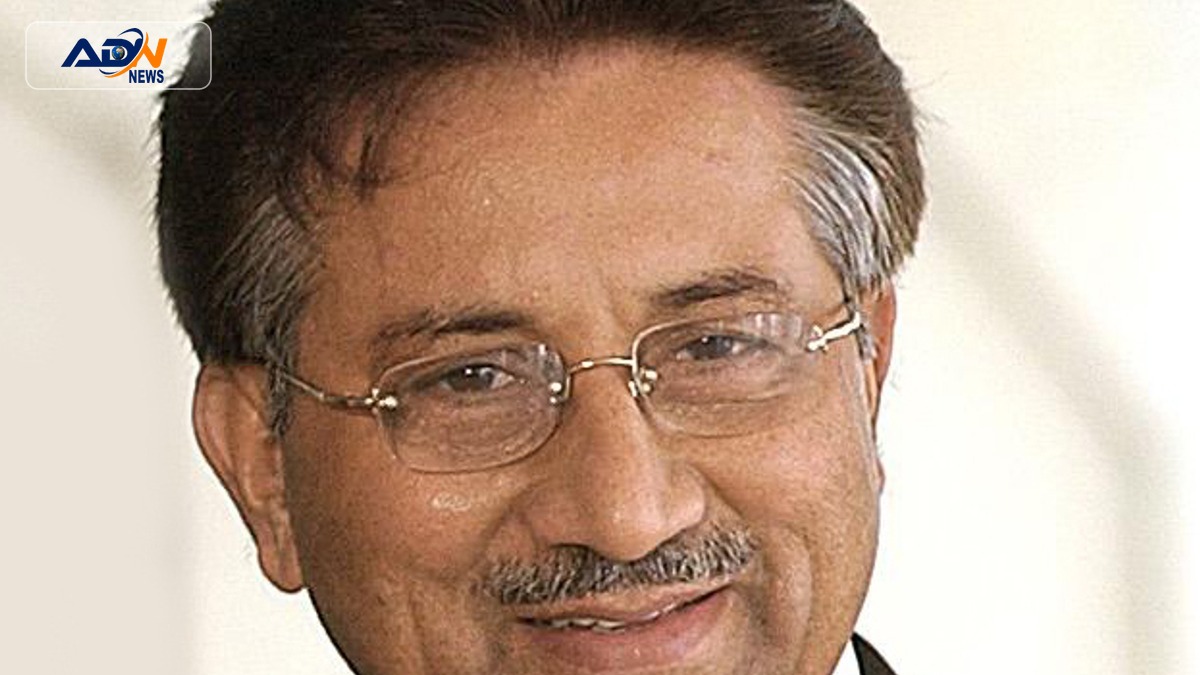
ISLAMABAD: Twenty-four years ago, on September 11, 2002, General Pervez Musharraf enacted the Higher Education Commission Ordinance, marking a pivotal moment in Pakistan’s educational landscape. This legislation replaced the University Grants Commission with the Higher Education Commission (HEC), granting it significant regulatory and financial autonomy aimed at overhauling the national higher education system.
In the subsequent five years, the budget allocation for higher education surged by an unprecedented 5,000 percent, reflecting the government’s commitment to transforming Pakistan into a knowledge-driven economy. The HEC’s mandate included restructuring universities, enhancing research capabilities, and improving educational standards across the country.
Despite these ambitious reforms, the reality of Pakistan’s higher education system remains complex. While there have been notable advancements, challenges such as inadequate infrastructure, faculty shortages, and regional disparities persist, hindering the full realization of the envisioned knowledge economy. The effectiveness of these reforms is often debated among educators and policymakers, raising questions about the sustainability of progress made over the years.
Looking ahead, stakeholders in the education sector are calling for renewed focus on addressing existing gaps and ensuring equitable access to quality education. Upcoming discussions among educational leaders and policymakers are expected to explore strategies for further enhancing the higher education framework, aiming to align it with global standards and meet the needs of a rapidly evolving job market.