
Polar Oceans Face Rapid Transformation as Climate Change Melts Ice Habitats
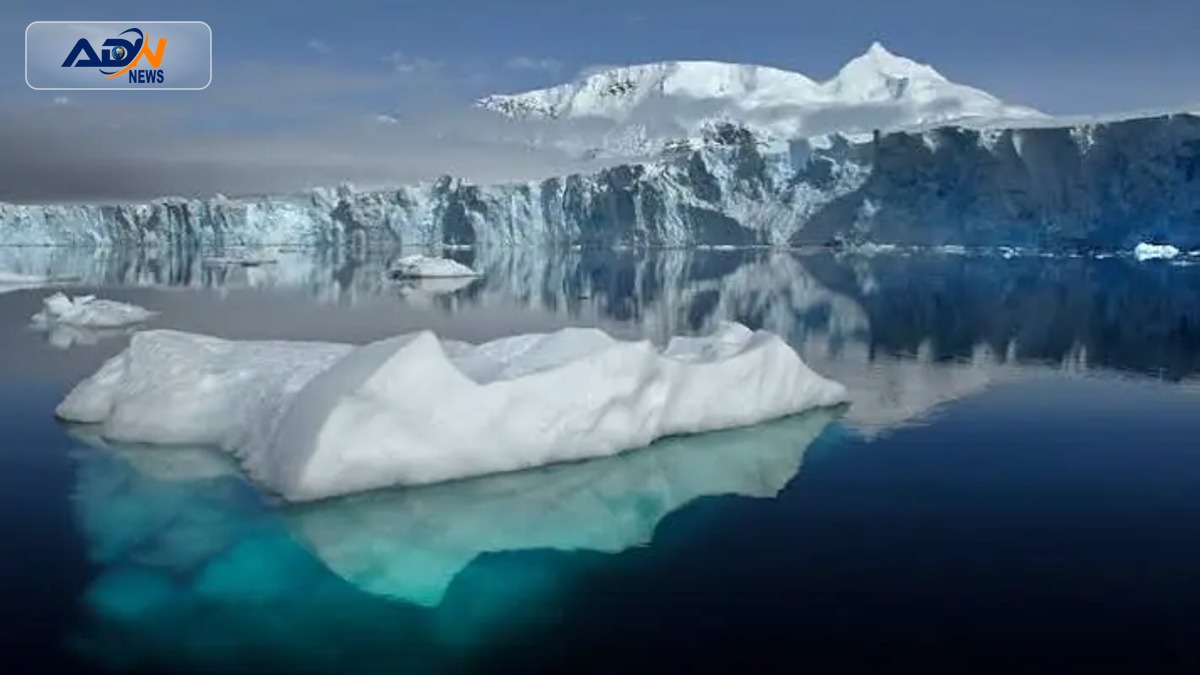
PARIS: Climate change is dramatically reshaping polar oceans, with Arctic waters warming at an alarming rate and sea ice habitats diminishing, according to the latest annual report from the Copernicus Marine Service.
The report highlights significant changes across global seas, including record-breaking heatwaves in the Mediterranean and Black seas, shifts in marine ecosystems, and increasing ocean acidity. Pierre Bahurel, director general of Mercator Ocean International, emphasized, “The message is very clear. The ocean is changing rapidly.”
These transformations are particularly pronounced in polar regions, which account for approximately 20 percent of the world’s ocean surface. The Arctic’s combined sea surface and sea-ice surface temperature has risen by 4.2°C from 1982 to 2024, averaging about 1°C per decade, indicating a concerning trend in global warming.
As these changes unfold, they pose significant implications for wildlife, local communities, and global climate patterns. The loss of ice habitats threatens various species and disrupts marine ecosystems, potentially leading to broader ecological consequences. Future reports and international discussions will be crucial in addressing these urgent climate challenges.