
Punjab Chief Minister Vows End to VIP Culture and Nepotism
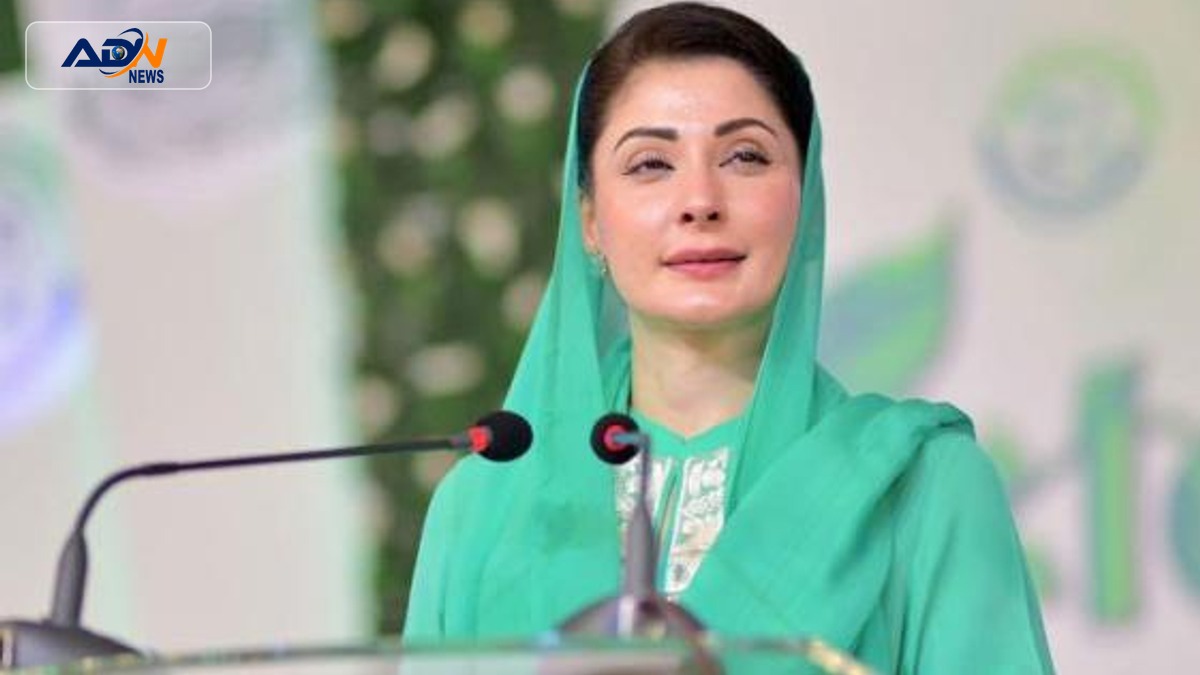
LAHORE: Punjab Chief Minister Maryam Nawaz has firmly declared that the traditional ‘dala culture’, political bullying, and nepotism have been completely eradicated from the province, asserting that only merit and rule of law now prevail in governance. Addressing a high-level administrative session, the chief minister maintained that public office is meant for public service rather than exercising undue influence, signaling a decisive shift in the provincial administration’s operational ethos.
Highlighting ongoing reforms across various government departments, the chief minister stated that transparent recruitment processes and merit-based promotions have been institutionalized to ensure that qualified individuals secure their rightful positions. She reiterated that administrative interference and backchannel recommendations will no longer be tolerated at any level of the bureaucratic machinery, emphasizing that accountability remains the cornerstone of her administration’s policy framework.
This policy stance carries profound implications for the political and administrative landscape of Pakistan’s most populous province, where traditional patronage networks have historically influenced public service delivery. By enforcing stringent merit criteria, the provincial government aims to restore public trust in state institutions, enhance administrative efficiency, and curb corruption. Observers note that dismantling entrenched privileges will require sustained political will, particularly in resisting pressure from influential local interest groups.
Looking ahead, the Punjab government has directed all divisional commissioners and regional police officers to submit compliance reports regarding merit implementation within their respective jurisdictions. Further oversight mechanisms, including digital monitoring systems for public sector recruitment, are slated for rollout in the coming weeks to institutionalize transparency and prevent any deviation from established governance standards.