
Raging Wildfires Blanket Indonesia in Toxic Haze, Threatening Millions
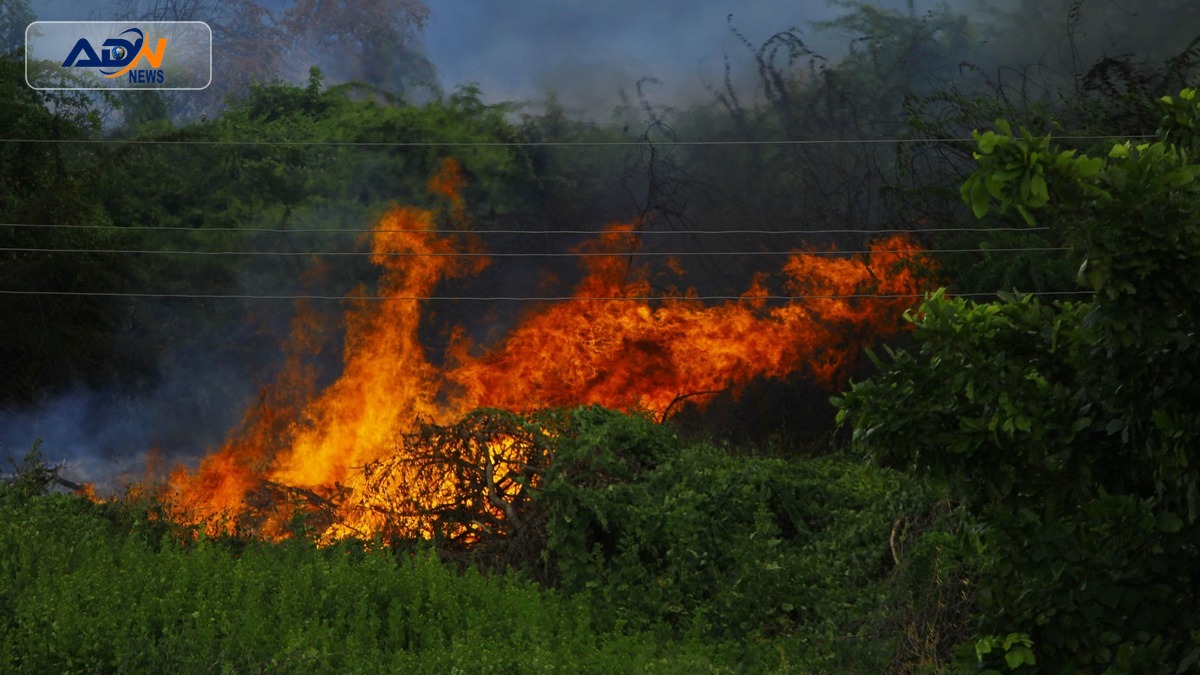
JAKARTA: A severe public health and environmental crisis has intensified across Indonesia as raging wildfires in Central Kalimantan release dense, toxic haze, endangering the health and livelihoods of millions of residents. Smoke from uncontrolled peatland blazes has swept through urban centers and remote villages alike, forcing local authorities to issue high-level emergency alerts and urge citizens to remain indoors as atmospheric conditions degrade rapidly.
On-the-ground reports from the wildfire frontlines reveal hazardous air quality index readings that far exceed international safety thresholds, with visibility severely reduced across major transport corridors and regional airports. Emergency response crews and firefighters are struggling to contain the deep-seated fires, which are heavily fueled by prolonged dry weather and illegal clearing practices on carbon-rich peat soils. Local health centers report a dramatic surge in acute respiratory infections, particularly among children, the elderly, and outdoor laborers.
The annual fire season in Southeast Asia presents severe ecological and economic challenges, as transboundary haze frequently affects surrounding nations, including Singapore and Malaysia. Environmental scientists warn that the destruction of pristine peat forests not only devastates indigenous biodiversity but also releases massive volumes of sequestered carbon into the atmosphere, significantly compounding global climate change concerns.
In response to the escalating crisis, the Indonesian government has mobilized military units, deployed water-bombing aircraft, and initiated cloud-seeding operations to support firefighting personnel on the ground. Authorities have pledged tougher legal action against agricultural companies utilizing illegal slash-and-burn tactics, while regional bodies coordinate to mitigate transboundary pollution risks.