
Rising Fistula Cases Challenge Pakistan’s SDG 3 Health Goals
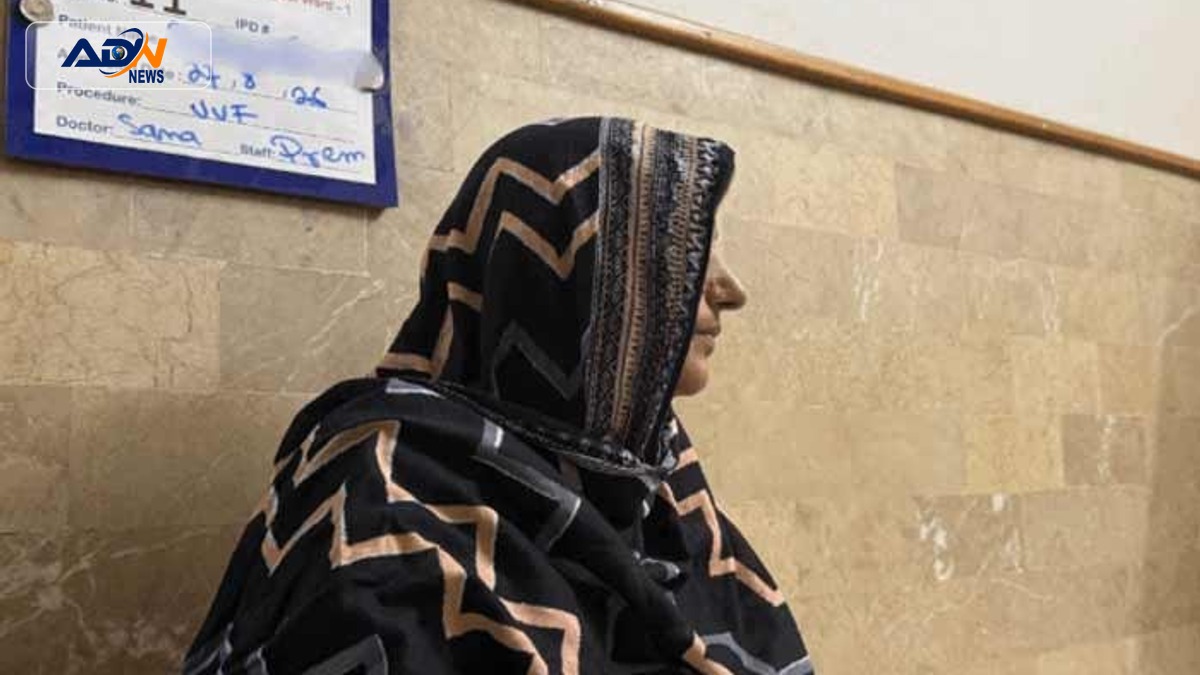
ISLAMABAD: The increasing prevalence of fistula cases in Pakistan poses a significant barrier to achieving Sustainable Development Goal 3 (SDG 3), which aims to ensure healthy lives and promote well-being for all. Patients like Shehnaz Sher Ali, who describes her life as “perpetually wet and stinky,” highlight the urgent need for improved healthcare solutions in the country.
Fistula, a debilitating condition often resulting from childbirth complications, affects thousands of women across Pakistan. According to health experts, the lack of access to quality maternal healthcare services contributes to the rising number of cases. “You’re living a life drained of joy,” Sher Ali lamented, emphasizing the emotional and physical toll of the condition.
The implications of this health crisis extend beyond individual suffering; they threaten to undermine national health objectives and economic stability. As Pakistan strives to meet international health standards, the increasing incidence of fistula could hinder progress, particularly in rural areas where healthcare resources are scarce.
In response to this growing concern, health officials are expected to convene next month to discuss strategies for improving maternal health services and addressing the fistula crisis. Initiatives may include enhanced training for healthcare providers and increased public awareness campaigns to educate communities about prevention and treatment options.