
Ryanair Warns of Staff Wage Freeze as War Drives €2bn Fuel Price Spike
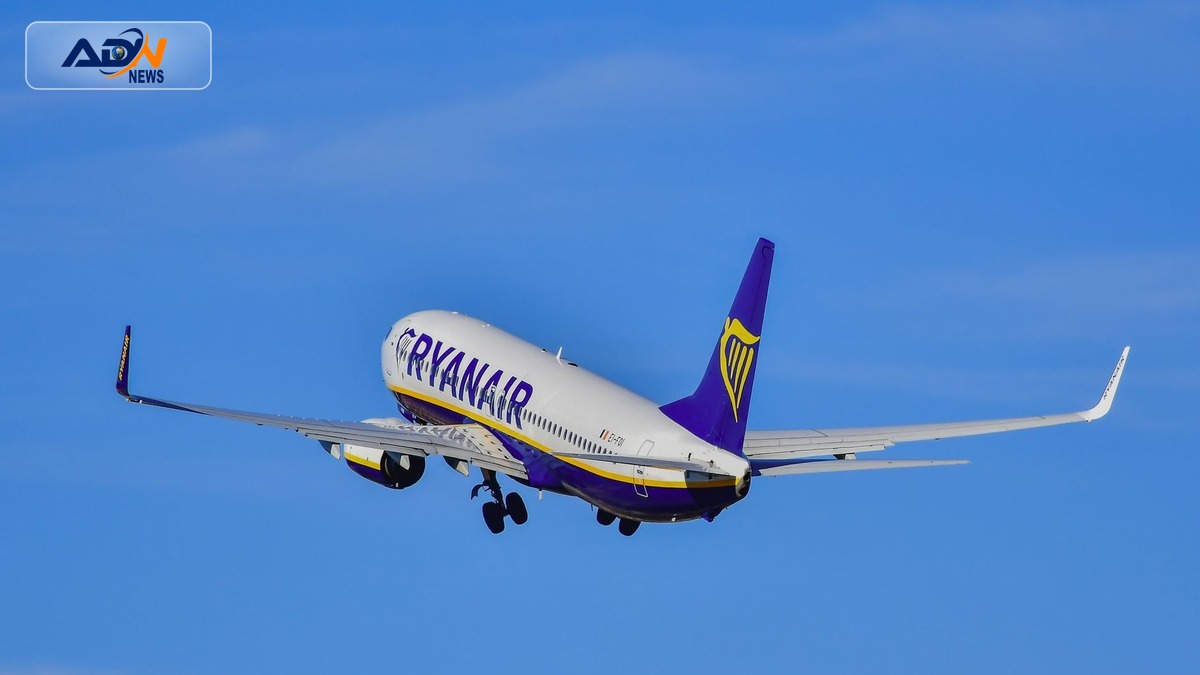
LONDON: European low-cost carrier Ryanair has warned that it may be forced to freeze employee pay as surging international fuel prices threaten to add up to €2 billion to its annual operational expenditure by 2028. The budget airline attributed the dramatic cost projection directly to escalating geopolitical instability across the Middle East, warning that sustained conflict involving the United States, Israel, and Iran could destabilize global energy markets for years to come.
According to internal financial assessments, volatile global crude markets remain exceptionally vulnerable to supply chain disruptions in major oil-producing zones, heavily compounding inflationary pressures across the commercial aviation sector. Airline executives stressed that unless a diplomatic resolution to regional hostilities is achieved, jet fuel expenses will rise sharply, severely undercutting profit margins. To cushion the impact of these projected financial strains, the carrier is actively reviewing stringent austerity measures, including targeted wage freezes for personnel and broader structural reductions across its operational footprint.
The announcement highlights the far-reaching economic contagion produced by modern military conflicts, demonstrating how geopolitical friction directly impacts domestic labor markets, employment terms, and consumer spending. Aviation industry analysts point out that if global oil prices remain elevated, low-cost carriers across Europe may eventually have no choice but to pass increased operational overhead onto passengers via higher airfares, threatening to slow down international travel recovery and post-pandemic tourism growth across the continent.
Moving forward, Ryanair leadership is expected to engage in formal consultations with labor unions and staff representatives to outline long-term corporate mitigation strategies and financial contingency plans. Industry watchdogs and global aviation bodies will be monitoring upcoming quarterly earnings disclosures to determine whether competitor airlines will enact similar labor policy revisions or structural adjustments to weather sustained fuel market volatility and persistent macroeconomic headwinds.