
Scholar Advocates Autonomy for India’s Isolated Island Tribes Amid Rising Threats
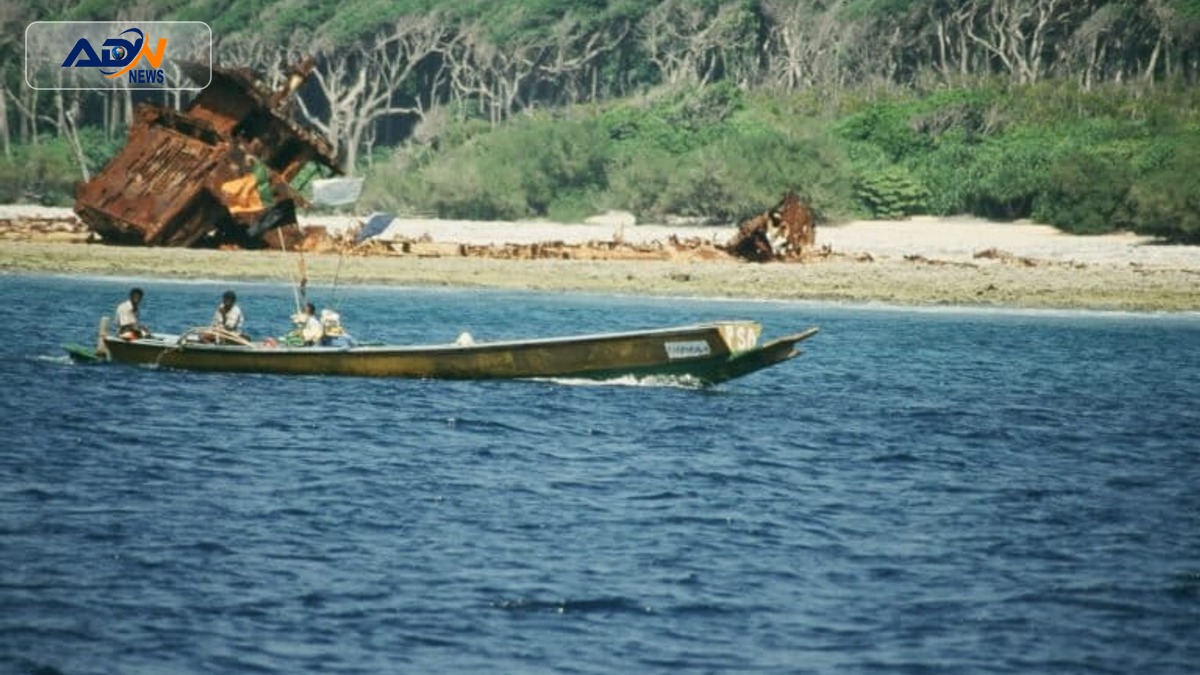
NEW DELHI: A prominent scholar emphasizes the urgent need for autonomy among India’s isolated island tribes to combat escalating environmental threats. These communities, residing in the Andaman and Nicobar Islands, face increasing pressures from climate change and external development projects that jeopardize their traditional ways of life.
The scholar, speaking at a recent environmental conference, highlighted that these tribes have historically lived in harmony with their surroundings. However, the encroachment of commercial interests and climate-related challenges, such as rising sea levels and extreme weather events, threaten their survival. “Without autonomy, these tribes cannot effectively protect their land and culture,” the scholar stated.
This call for autonomy raises significant implications for India’s environmental policy and indigenous rights. As the government grapples with balancing development and conservation, the plight of these tribes underscores the need for inclusive policies that respect indigenous knowledge and practices. The scholar’s remarks resonate with broader global discussions on the rights of indigenous peoples in the face of climate change.
Looking ahead, environmental advocates are urging the Indian government to engage in dialogue with tribal leaders to explore potential frameworks for autonomy. Upcoming meetings are expected to address these issues, with hopes of establishing a collaborative approach that prioritizes both development and the preservation of indigenous cultures.