
Scientists Baffled as Killer Whale Attacks Ocean Sunfish in Rare Display
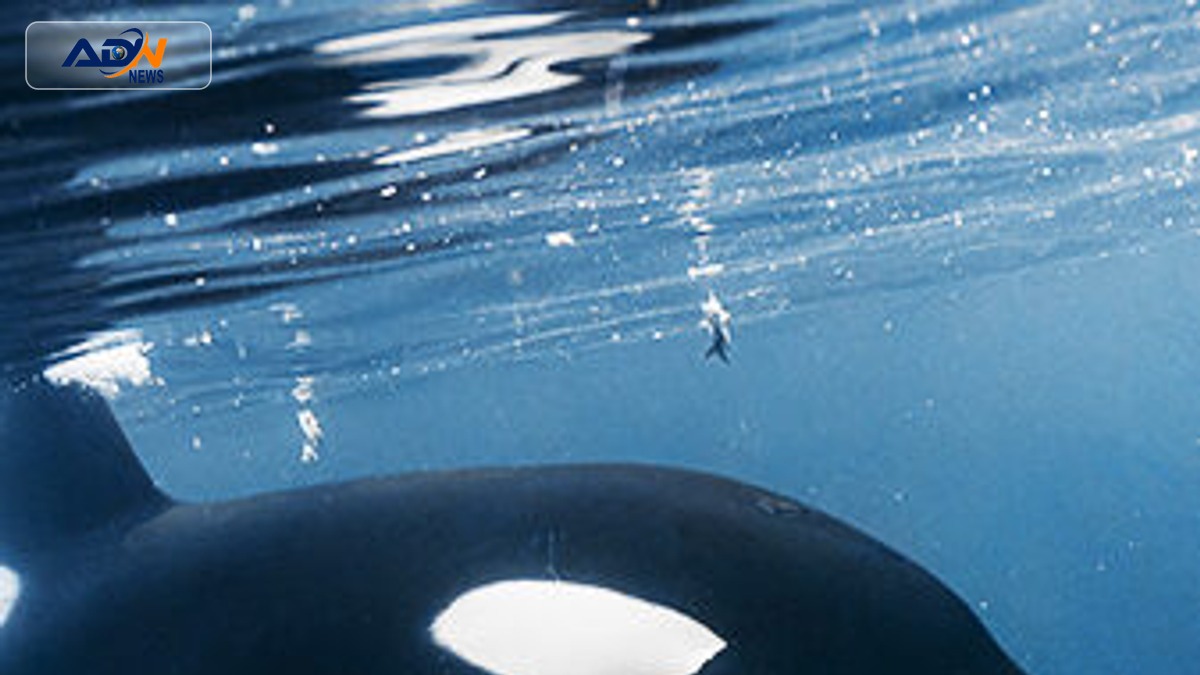
SYDNEY: Marine scientists have documented an extraordinary and violent encounter between an orca and an ocean sunfish, leaving researchers puzzled as the apex predator dismantled the massive creature without attempting to consume it. The rare observation, recorded off coastal waters by marine biologists, captured a lone killer whale repeatedly ramming, biting, and fatally disabling a large Mola mola before abandoning the carcass entirely.
According to observational records and preliminary analysis from marine researchers, killer whales are known for highly specialized, pod-specific diets ranging from seals and sea lions to tuna and baleen whales, making deliberate attacks on sunfish exceptionally uncommon. Biologists noted that while orcas occasionally interact with unfamiliar species out of curiosity or predatory practice, the sheer ferocity of this fatal engagement without any subsequent feeding suggests complex behavioral drivers rather than standard hunting for sustenance.
The incident provides critical insight into the complex cognitive and social behaviors that govern cetacean populations across global oceans. Ecologists suggest such occurrences may reflect surplus killing, target practice among younger individuals, or an increasingly volatile search for alternative prey as climate-driven shifts alter traditional marine food webs. Because sunfish possess thick, gelatinous skin and low caloric value compared to blubber-rich marine mammals, researchers emphasize that sustained predation on the species remains energetically disadvantageous.
Following the encounter, international marine biology teams plan to cross-reference photographic and genetic data with known killer whale catalogue records to identify the specific pod involved. Research institutions are now increasing acoustic monitoring and offshore vessel surveys to determine whether this destructive event represents an isolated behavioral anomaly or an emerging learned tactic within the local cetacean population.