
Seagrass Meadows Yield More Nutritious Catch Than Reefs, Study Finds
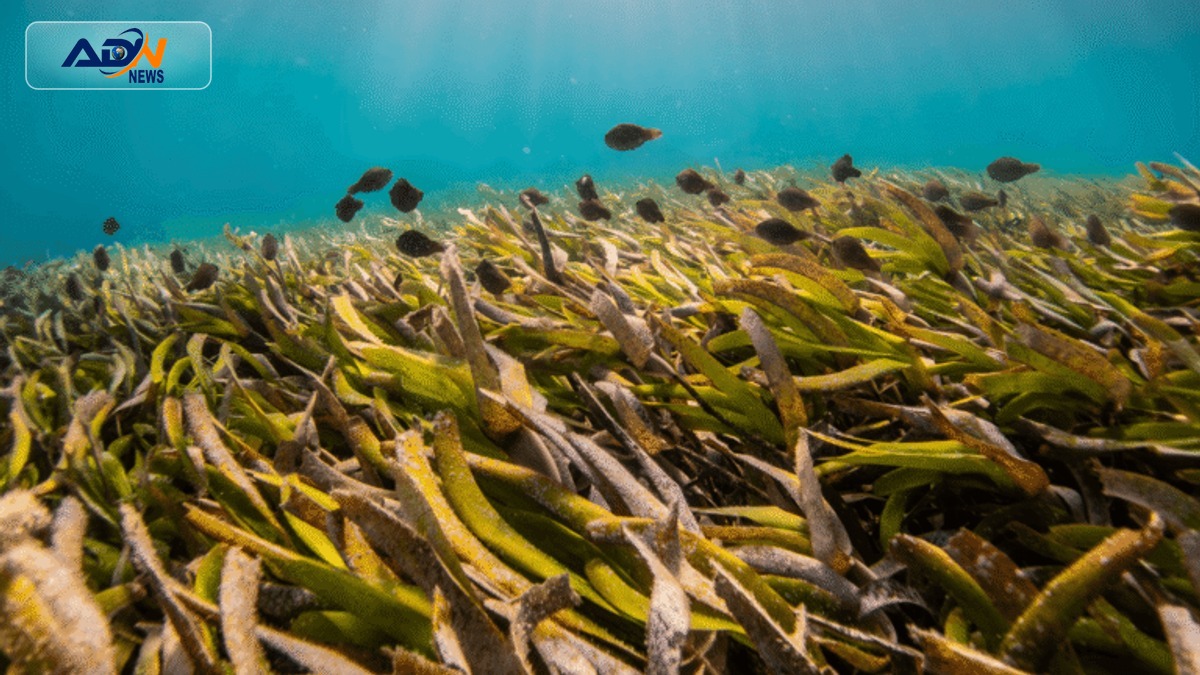
LONDON: Marine ecosystems known as seagrass meadows may offer coastal communities significantly more nutritious fish catches than traditional coral reefs, according to a landmark environmental study published this week. Researchers examining global fishery yields discovered that finfish harvested from dense underwater seagrass habitats contain higher concentrations of essential micronutrients, including iron, zinc, and calcium, compared to those caught around biodiversity-rich reef environments.
The comprehensive assessment, highlighted by conservation news platform Mongabay, underscores the overlooked value of seagrass beds in addressing global malnutrition and chronic dietary deficiencies. While coral reefs historically command far greater public attention and conservation funding due to their dramatic coral structures, seagrass ecosystems act as critical nursery grounds for juvenile marine species. Scientists noted that the unique ecological dynamics of seagrass habitats promote rapid growth and rich nutrient accumulation in resident fish populations, providing vital dietary sustenance to millions in vulnerable coastal zones.
The findings carry far-reaching implications for environmental governance, climate resilience, and sustainable coastal resource management. Millions of residents in developing coastal nations rely heavily on small-scale artisanal fisheries for their primary protein and daily micronutrient intake. As accelerating climate change, destructive trawling, and coastal development threaten marine habitats worldwide, prioritizing the active protection and restoration of seagrass meadows could prove essential for safeguarding regional food security and stabilizing vulnerable local economies.
In light of these scientific findings, marine ecologists and international environmental groups are urging governments to integrate seagrass preservation into national climate adaptation plans and expansion frameworks for marine protected areas. Conservation bodies plan to launch enhanced monitoring initiatives across key maritime corridors to track seagrass health and collaborate with local fishing communities on sustainable harvesting strategies ahead of upcoming global biodiversity conferences.