
Sindh Cotton Farmers Challenge Norms with Winter Sowing Experiment
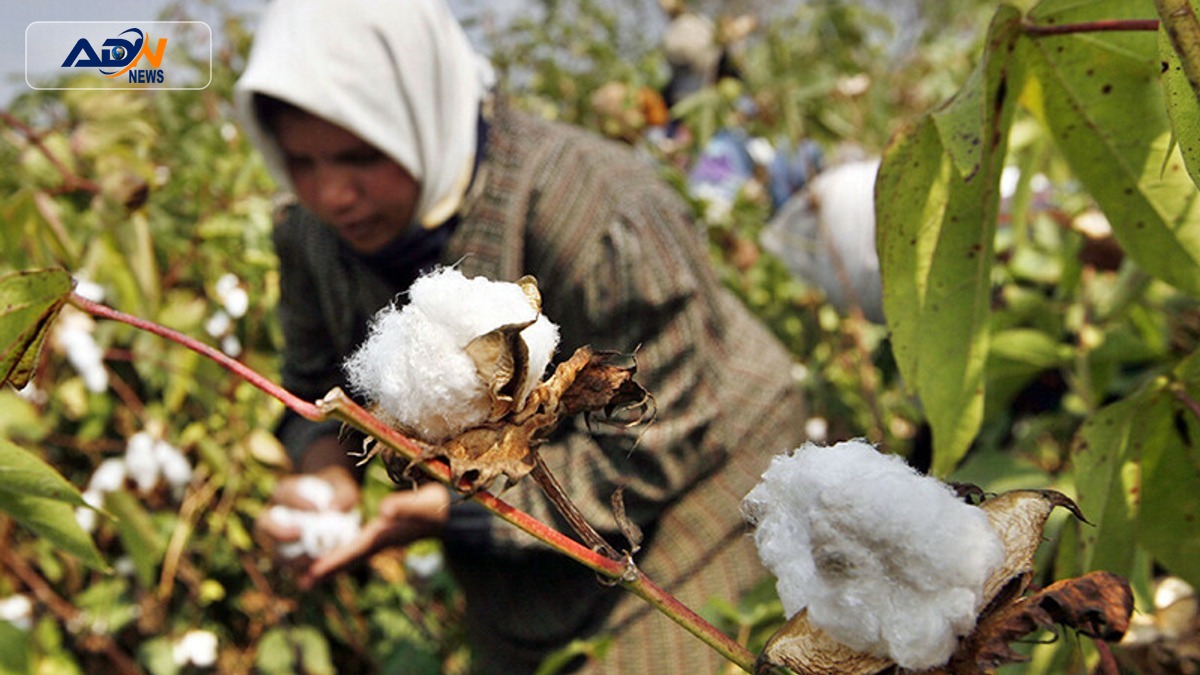
LAHORE: Pakistan’s cotton and textile supply chain faces a pivotal moment as farmers in Sindh’s coastal districts of Thatta and Sujawal initiate an unconventional cotton sowing in the second week of November. This departure from the traditional agricultural calendar could reshape the domestic textile industry.
The decision to sow cotton at this time is a response to the challenges posed by climate change and aims to mitigate the adverse effects of peak summer heat and pest infestations that typically plague the crop. Dr. Tasawwar Hussain Malik, a plant breeding and genetics specialist, emphasizes the importance of this farmer-led initiative, which seeks to enhance agronomic resilience during the winter months.
This innovative approach, involving intercropping in fields cleared after the paddy harvest, could provide significant commercial relief to the textile sector, which has been grappling with statistical discrepancies in crop reporting that affect market pricing. The success of this experiment may not only impact local economies but also set a precedent for agricultural practices across the region.
As the winter progresses, stakeholders will closely monitor the outcomes of this sowing strategy, with expectations for further discussions on improving data accuracy in crop reporting. The results could influence future agricultural policies and practices in Pakistan.