
State Must Enact Systemic Policy Reforms to Save Agriculture Sector
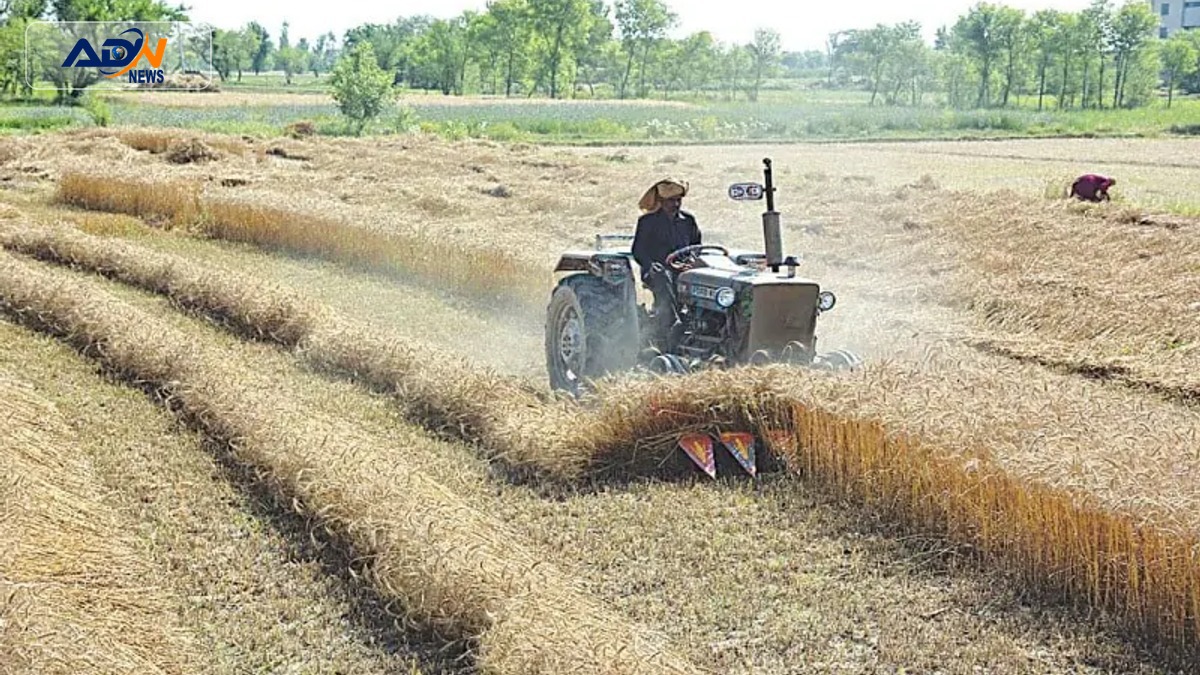
ISLAMABAD: Experts and policy analysts have highlighted the critical need for a sustained, systemic commitment from the state to revitalize Pakistan’s struggling agriculture sector. Despite serving as the primary backbone of the national economy and employing over 37 percent of the country’s total labor force, the agrarian landscape continues to suffer from fragmented governance, severe climate vulnerabilities, and chronic underinvestment in institutional infrastructure.
Speaking at economic consultations in the federal capital, leading agricultural economists emphasized that ad-hoc subsidy packages and short-term market interventions have repeatedly failed to foster structural growth. Analysts noted that crop yields across Pakistan lag significantly behind regional competitors due to degraded soil health, obsolete canal irrigation systems, limited access to certified climate-resilient seeds, and restricted formal credit access for smallholders. Official statistics reveal that volatile agricultural growth has directly exacerbated food inflation and widened trade deficits over recent fiscal periods.
The lack of a cohesive, long-term national strategy has intensified domestic food insecurity and heightened risks for rural populations dependent on seasonal harvests. Extreme weather events driven by global climate change, including unseasonal rainfall patterns and rising heat stress, continue to threaten major cash crops such as wheat, sugarcane, cotton, and rice. Economic observers warn that without urgent state-led modernization and targeted water preservation initiatives, Pakistan faces an escalating bill for imported agricultural commodities during economic tightening.
In response to mounting calls for comprehensive institutional reform, the Ministry of National Food Security and Research is reportedly reviewing recommendations for a broad multi-year policy framework. Stakeholders have urged both federal and provincial authorities to synchronize regulatory standards, enhance research grants, guarantee direct subsidy transfers to small landholders, and incentivize private investment in post-harvest cold chain logistics ahead of the next fiscal cycle.