
Study Reveals Corals as Effective Pollution Monitors for Marine Health
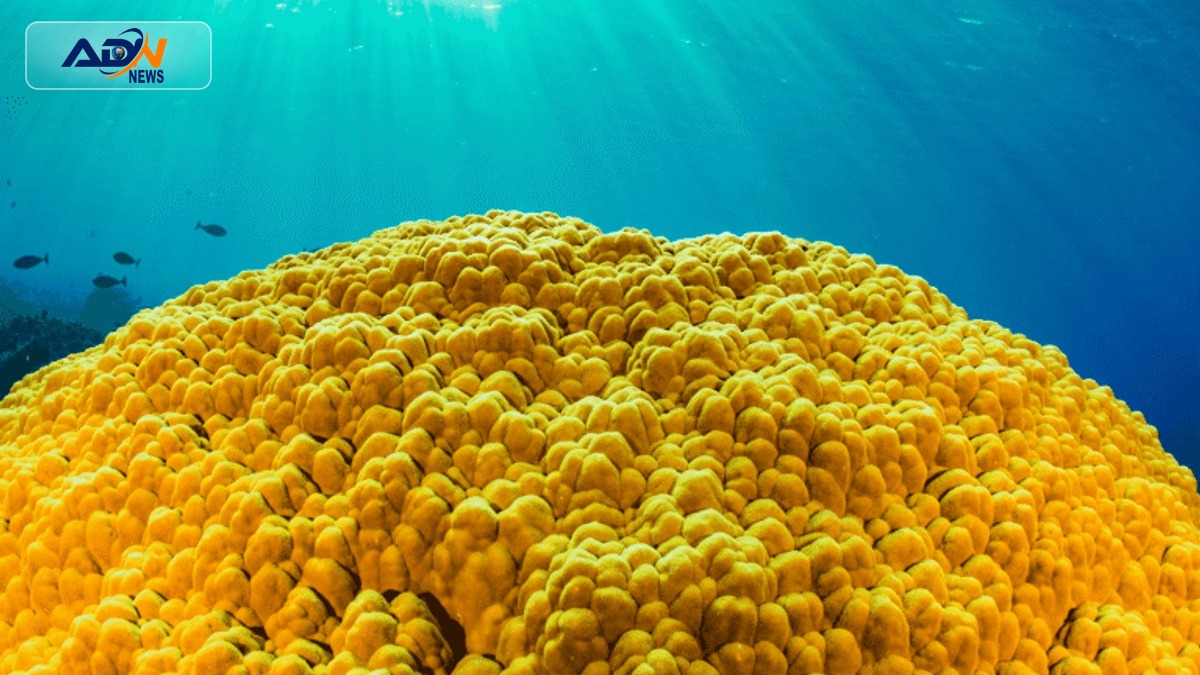
WASHINGTON: A groundbreaking study published by Mongabay reveals that corals can serve as effective indicators of marine pollution, offering a new method for environmental monitoring. Researchers found that corals accumulate pollutants over time, providing a historical record of water quality in their habitats.
The study highlights the ability of corals to absorb and retain various contaminants, including heavy metals and plastics, which can be analyzed to assess the health of marine ecosystems. Lead researcher Dr. Emily Johnson stated, “This method not only helps in understanding the pollution levels but also aids in tracking changes over time, which is crucial for conservation efforts.”
This discovery has significant implications for environmental policy and marine conservation strategies. As coral reefs face threats from climate change and human activities, utilizing corals as pollution monitors could enhance efforts to protect these vital ecosystems. The findings underscore the importance of maintaining healthy marine environments for biodiversity and the livelihoods of communities dependent on these resources.
Looking ahead, researchers plan to collaborate with environmental agencies to implement this monitoring technique in various coastal regions. Upcoming conferences will discuss the integration of coral monitoring into broader marine conservation frameworks, aiming to establish more effective strategies for pollution management.