
Supreme Court Critiques Eyewitness Expectations in Criminal Trials
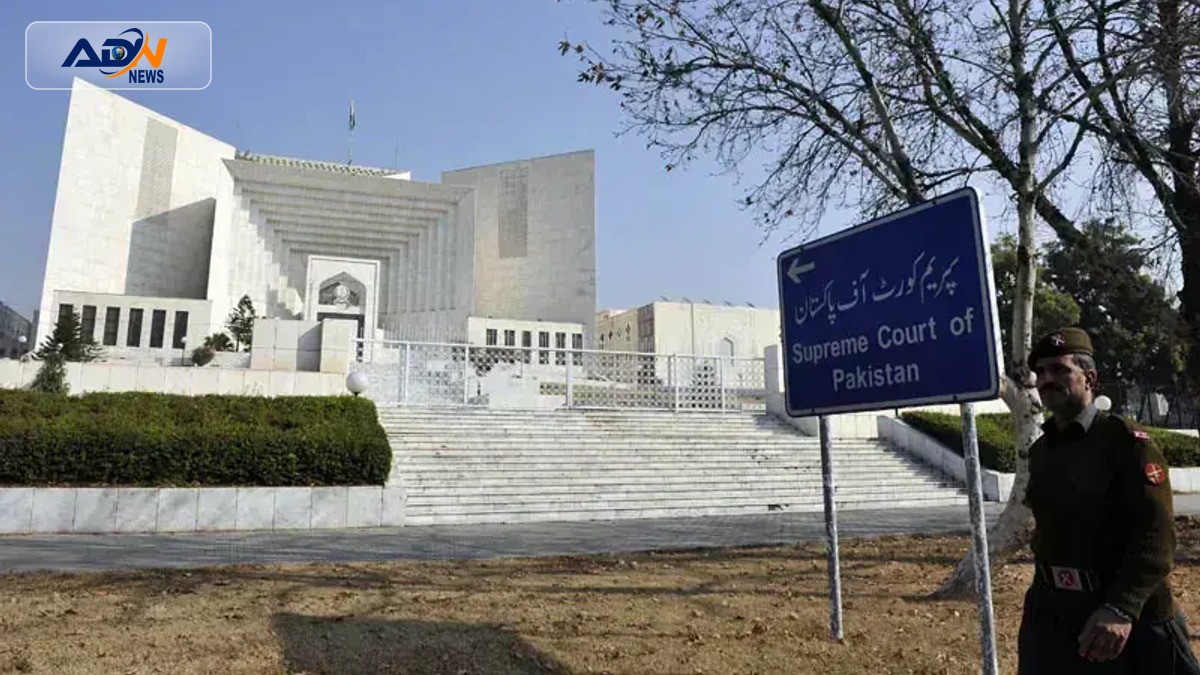
ISLAMABAD: The Supreme Court of Pakistan has raised concerns regarding the unrealistic expectations placed on eyewitnesses in criminal trials, emphasizing that such demands contradict normal human capabilities. In a recent judgement authored by Justice Ishtiaq Ibrahim, the court noted that eyewitness accounts should reflect authentic human observation rather than precise details that are often unattainable in the aftermath of traumatic events.
Justice Ibrahim, part of a three-judge bench led by Justice Muhammad Hashim Khan Kakar, expressed that expecting mathematical accuracy regarding the number of gunshots or the precise location of injuries from witnesses who have experienced horrific incidents is both unnatural and impractical. This statement came during the court’s deliberation on criminal appeals filed by Muhammad Azhar and the state, challenging a ruling from the Lahore High Court.
The Supreme Court ultimately upheld the conviction of Muhammad Azhar for the 2017 murder of Sakhian Bibi, rejecting the appeal. This decision underscores the court’s commitment to ensuring that the legal system recognizes the limitations of human memory and perception in high-stress situations.
As the legal community reflects on this judgement, it raises important questions about the standards of evidence in criminal cases and the treatment of eyewitness testimonies. The court’s stance may influence future trials and the expectations placed on witnesses, potentially leading to reforms in how evidence is evaluated in the context of traumatic experiences.