
Tequila Boom Sparks Severe Deforestation and Environmental Crisis in Mexico
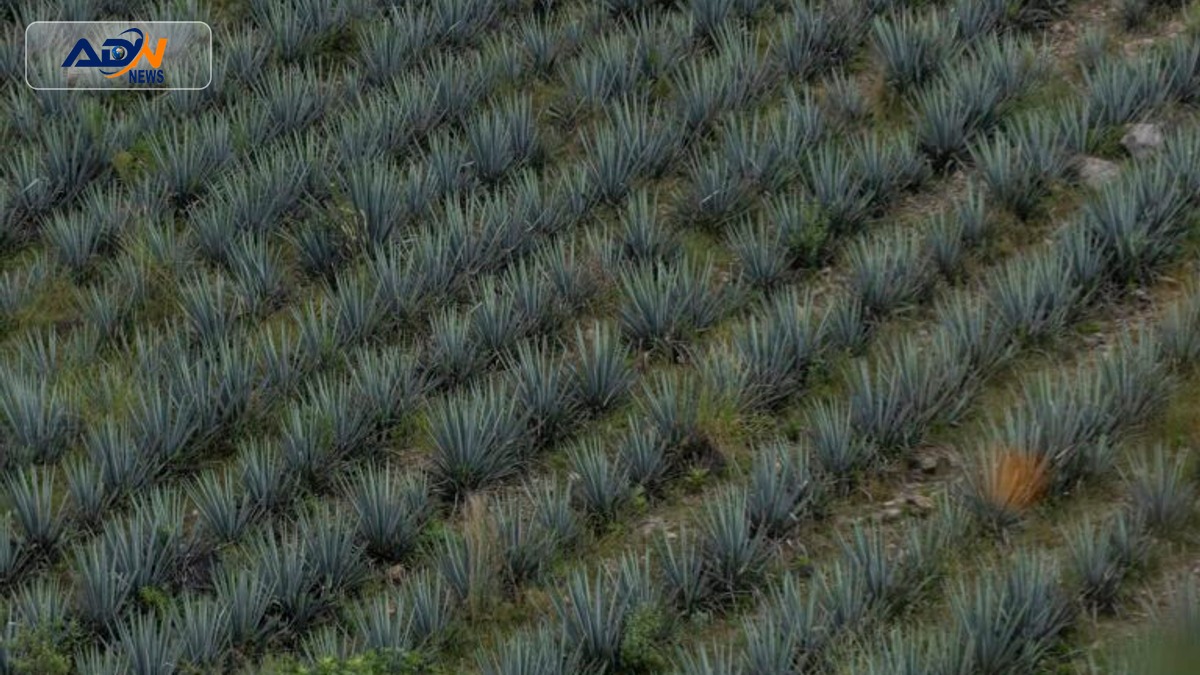
MEXICO CITY: The staggering global commercial success of tequila has precipitated an escalating environmental crisis, driving widespread deforestation and habitat loss across traditional agave-growing regions in Mexico. Driven by soaring international demand for the iconic spirit, agricultural expansion has increasingly encroached upon vital forest ecosystems, threatening local biodiversity and altering regional landscapes over the past decade.
Environmental researchers and conservation groups report that vast swathes of native woodlands have been cleared to cultivate blue agave, the sole plant permitted for authentic tequila production. This intensive monoculture farming not only diminishes ecological resilience but also places immense pressure on local water supplies and soil health, prompting urgent calls from ecologists for stricter agricultural zoning and sustainable farming practices within the industry.
The broader implications of this environmental degradation extend far beyond Mexican borders, highlighting the delicate balance between global consumer markets and sustainable resource management. As international palate preferences shift toward premium spirits, producer nations face mounting pressure to reconcile lucrative export economies with long-term ecological preservation, ensuring that commercial growth does not permanently compromise natural heritage.
In response to the growing backlash, industry regulators, agricultural cooperatives, and environmental ministries are slated to convene emergency roundtable discussions next month. The upcoming sessions will focus on formulating binding sustainability standards, exploring certification programs for deforestation-free agave, and implementing rigorous monitoring frameworks to safeguard Mexico’s remaining woodland reserves.