
Toxic Air in Punjab Endangers Wildlife Amid Monitoring Gaps
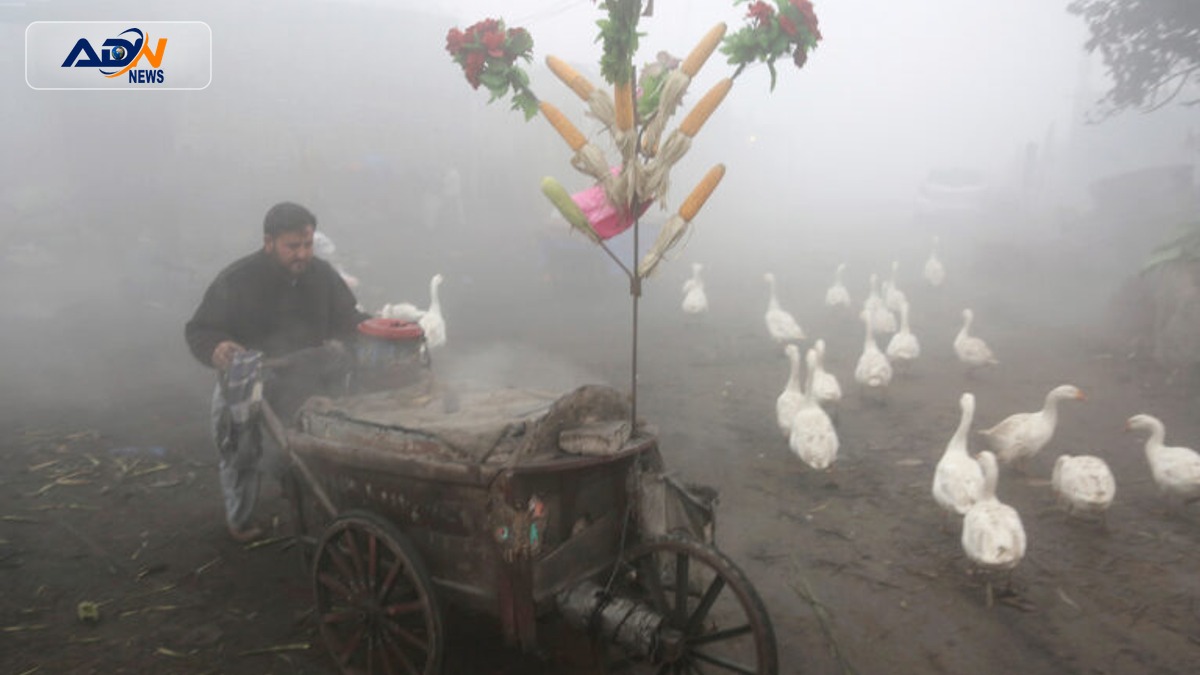
LAHORE: Toxic air pollution in Punjab is increasingly threatening local wildlife, exacerbated by significant gaps in environmental monitoring. Experts warn that the deteriorating air quality poses serious risks to both biodiversity and public health.
Recent studies indicate that air pollution levels in Punjab have reached alarming heights, with pollutants exceeding safe limits. Local environmentalists emphasize the urgent need for comprehensive monitoring systems to assess the impact on wildlife habitats. “Without proper data, we cannot implement effective conservation strategies,” said Dr. Ayesha Khan, a leading environmental scientist.
This situation raises broader concerns for the region, as the decline in wildlife could disrupt ecosystems and affect agriculture, which is vital for the local economy. The Punjab government faces mounting pressure to address these environmental issues, with potential implications for international relations as global attention on climate change intensifies.
In response to these challenges, environmental advocates are calling for immediate action, including the establishment of a dedicated task force to monitor air quality and its effects on wildlife. Upcoming meetings with government officials are expected to focus on developing a strategic plan to combat pollution and protect biodiversity.