
UN Panel Commends Pakistan’s Marriage Age Law, Raises Bonded Labour Concerns
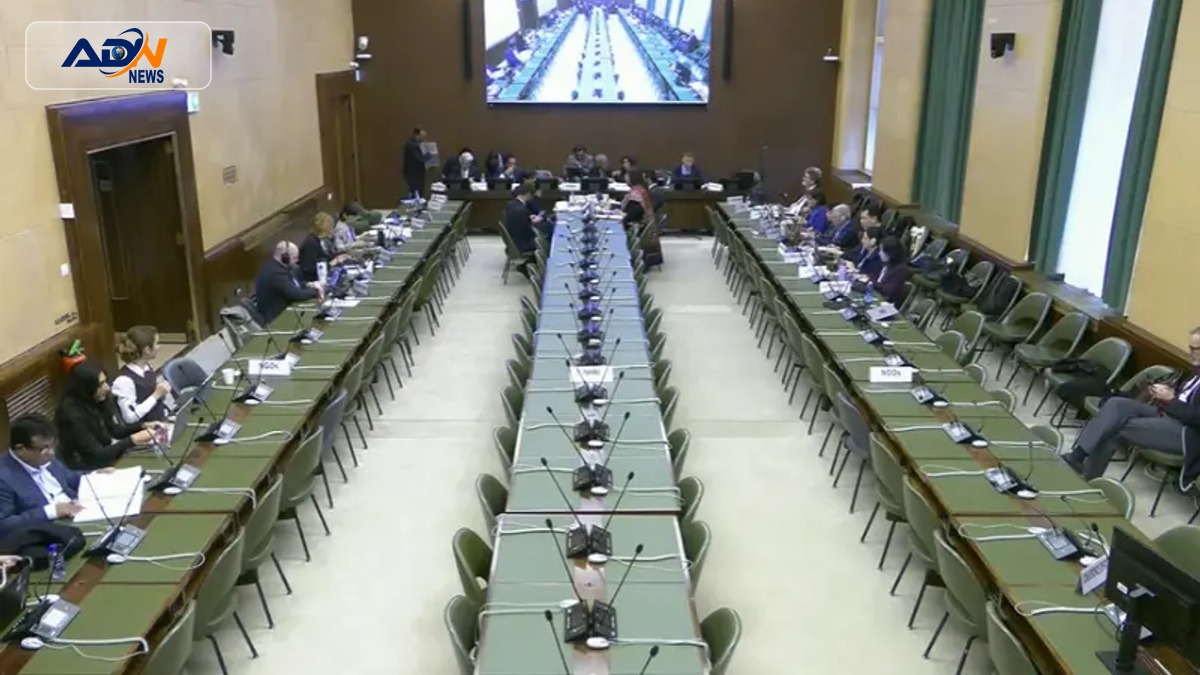
ISLAMABAD: The United Nations Committee on Economic, Social and Cultural Rights has concluded its review of Pakistan’s second periodic report under the International Covenant on Economic, Social and Cultural Rights, commending the country’s recent legal amendment that raises the minimum age of marriage to 18. This significant change, enacted in 2025, applies equally to both males and females, marking a progressive step in addressing child marriage in the nation.
Committee expert Michael Windfuhr expressed approval of the amendment to the Child Marriage Restraint Act of 1929 but voiced concerns regarding the persistent issue of child brides in Pakistan. He inquired about the effectiveness of measures implemented to combat child marriage, emphasizing the need for detailed statistics and rehabilitation strategies for affected individuals.
Additionally, Lazhari Bouzid, another committee member, highlighted the ongoing prevalence of bonded labour, particularly in the agricultural sector. This issue remains a significant challenge for the country, raising questions about the government’s commitment to eradicating such practices and ensuring the rights of vulnerable populations.
Looking ahead, the committee’s recommendations may prompt further discussions and actions from Pakistani authorities regarding child protection and labour rights. The government has reported the reconstruction of 600,000 homes destroyed in the recent floods, but the committee’s focus on bonded labour suggests that more comprehensive measures are necessary to address these intertwined social issues.