
US and Russia Set to Oppose Global Talks on Autonomous Weapons Regulation
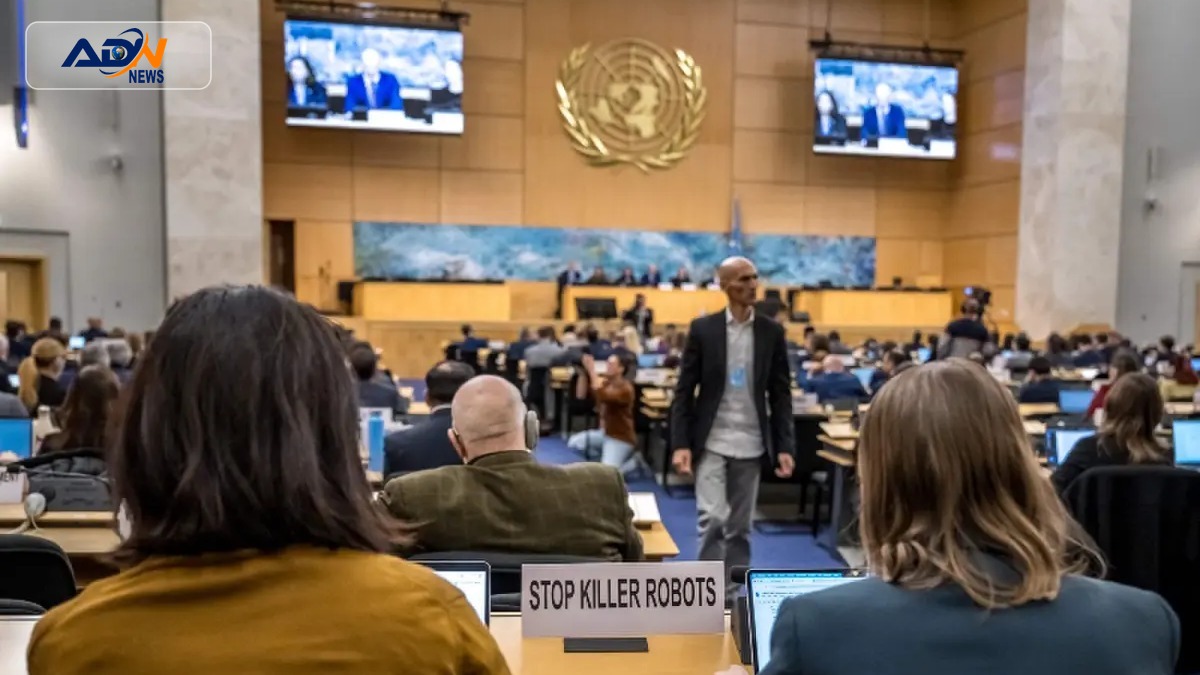
GENEVA: Major arms producers, the United States and Russia, are poised to oppose a significant initiative at a global meeting in Geneva this week aimed at launching negotiations for legally binding regulations on autonomous weapons. This meeting, which commenced on Monday, seeks to address the urgent need for a framework governing Lethal Autonomous Weapons Systems (LAWS) amid rising ethical concerns.
The rapid advancement of artificial intelligence has led to the development of military technologies, including drones and robots, capable of executing lethal operations without human intervention. These semi-autonomous weapons have already been deployed in conflict zones such as Ukraine, Sudan, and the Middle East, raising alarms among diplomats and human rights advocates. In a video message, UN Secretary-General António Guterres emphasized the necessity for states to negotiate a legally binding instrument that includes clear prohibitions and restrictions on such technologies.
Despite the support of the majority of the 128 states party to the Convention on Certain Conventional Weapons for the proposed talks, influential military powers like the US, Russia, and Israel argue that existing humanitarian laws are adequate to govern the use of these technologies. Their opposition highlights a significant divide in international perspectives on the future of warfare and the ethical implications of autonomous systems.
As the meeting progresses, the international community awaits a decision on whether to initiate formal negotiations. The outcome could have profound implications for global security and the ethical landscape of modern warfare, as nations grapple with the balance between technological advancement and humanitarian principles.