
US Doctors Express Alarm as Declining Vaccination Rates Fuel Measles Resurgence
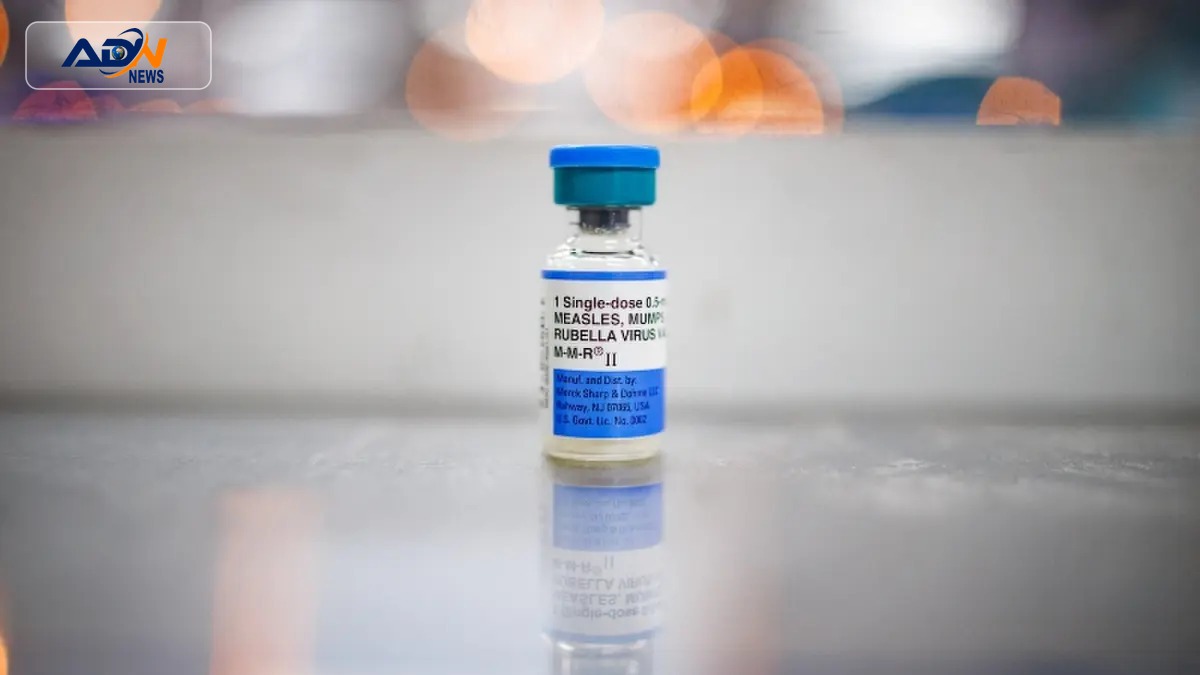
WASHINGTON: American medical professionals are sounding the alarm over a disturbing resurgence of measles across the United States, as falling vaccination coverage reverses decades of public health progress against the highly contagious viral infection. According to recent health data, the nation has registered over 5,400 confirmed cases this year alone, prompting international health bodies to officially declare that the disease is no longer eradicated within the country.
The Pan American Health Organization (PAHO) formally announced that measles can no longer be considered eliminated in the US, highlighting severe localized outbreaks across several states. In Utah, where more than 500 cases have been documented, pediatric specialists report treating infected children for a disease previously viewed as a historical relic. Trahern W. Jones, a pediatric infectious disease specialist in Utah, cautioned that reported figures likely represent a significant undercount, emphasizing that the swift spread of the virus poses an immediate danger to vulnerable populations.
The current resurgence underscores a broader decline in routine childhood immunizations, driven largely by post-pandemic public health disruptions and growing vaccine hesitancy. Measles, characteristically identified by high fever and red skin rashes, can quickly precipitate life-threatening complications such as severe pneumonia and acute brain inflammation. Health officials warn that dropping below the critical 95 percent herd immunity threshold leaves infants, pregnant women, and immunocompromised citizens dangerously exposed.
In response to the expanding outbreaks, federal and state health agencies are stepping up public awareness initiatives and organizing community vaccination drives to boost MMR immunization rates. Medical organizations are strongly urging parents to ensure their children are fully vaccinated before school resumes, while local health departments enhance epidemiological surveillance and contact tracing to contain further community transmission.