
US Researchers Develop Brain-Like Chip for Analyzing Fusion Plasma at 1M Samples/Second
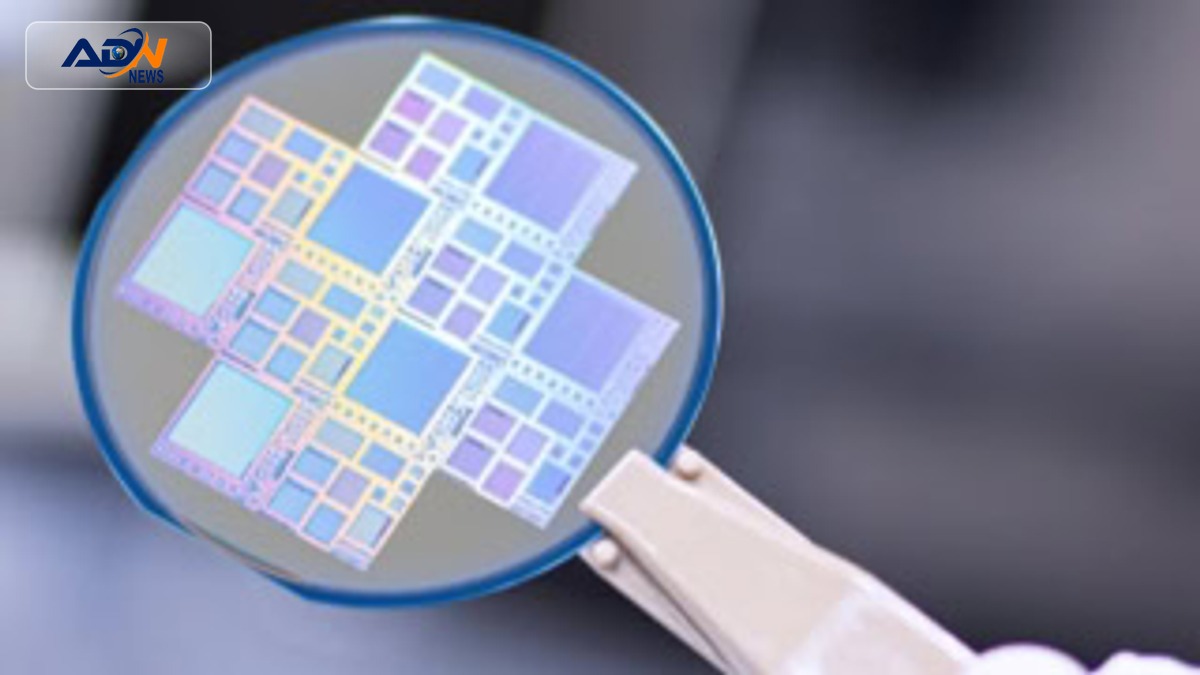
WASHINGTON: US researchers at Brookhaven National Laboratory have unveiled a groundbreaking brain-like computer chip capable of analyzing fusion plasma at an astonishing rate of one million samples per second. This innovative technology addresses the critical need for enhanced processing power in monitoring plasma heated to temperatures approximately ten times hotter than the core of the Sun.
The development of this chip marks a significant advancement in fusion research, where conventional silicon chips have struggled to meet the demands of such extreme conditions. The researchers emphasized that the new chip’s design mimics the neural processing capabilities of the human brain, allowing for rapid and efficient data analysis essential for the safe operation of fusion reactors.
This technological leap has profound implications for the future of energy production, particularly in the pursuit of sustainable fusion energy. As nations strive to transition to cleaner energy sources, the ability to effectively monitor and control fusion reactions could pave the way for a new era of energy generation, potentially reducing reliance on fossil fuels and mitigating climate change.
Looking ahead, the research team plans to conduct further tests and refine the chip’s capabilities. They aim to collaborate with other institutions to explore its applications in various fields, including medical imaging and artificial intelligence, thereby broadening the impact of this innovative technology.