
Villagers Urge Restrictions on Sewage Discharge in Dry Riverbed
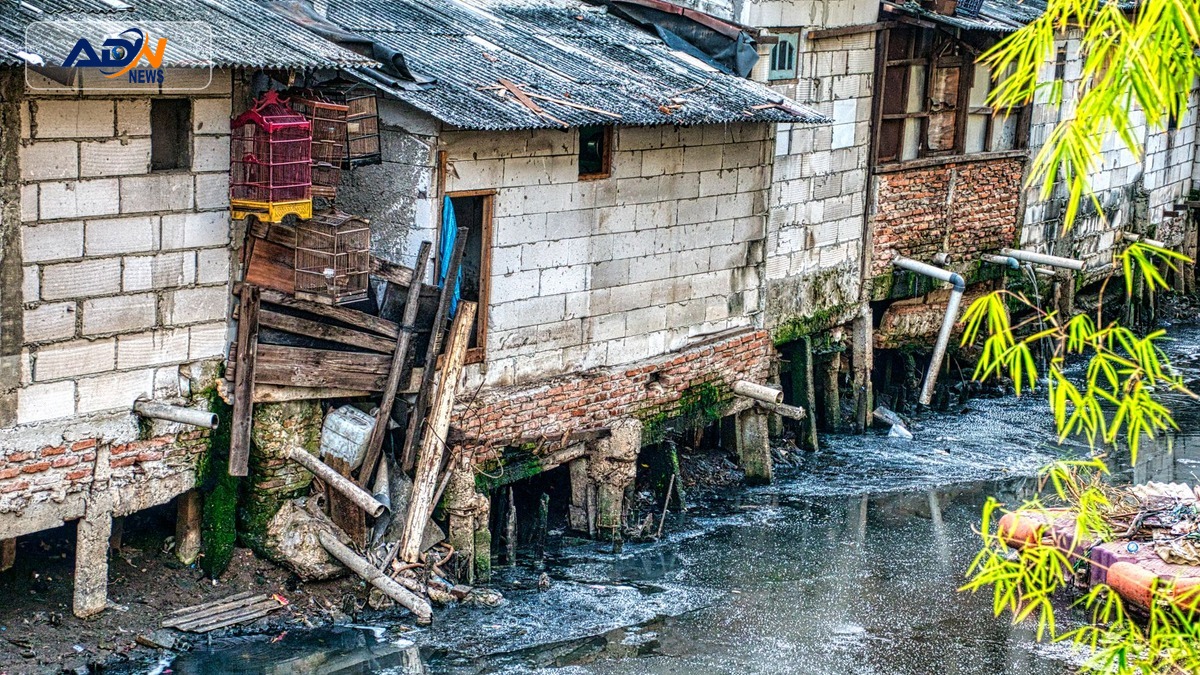
LONDON: Environmental campaigners and local residents have expressed deep concern over a local sewage treatment plant continuously discharging treated effluent into a completely dry riverbed during an ongoing drought. The practice, which local communities argue is turning the parched watercourse into an environmental hazard, has sparked urgent demands for immediate regulatory intervention and temporary operational restrictions on the facility.
According to local representatives, the continuous inflow of wastewater into a dry basin creates stagnant pools that emit foul odors, attract disease vectors, and pose severe health risks to nearby settlements. Community leaders have pointed out that while the plant operates within legal parameters set during normal water flow conditions, the absence of natural river dilution during dry spells drastically magnifies the ecological impact of the discharge.
The controversy highlights a growing structural challenge in managing municipal infrastructure amid increasingly volatile weather patterns and prolonged dry spells. Environmental analysts warn that outdated regulatory frameworks often fail to account for climate change-induced droughts, leaving rural and semi-urban communities vulnerable to localized pollution even when official discharge standards are technically met by utility operators.
In response to mounting public pressure, local authorities have announced plans to convene an emergency review meeting with environmental regulators and utility representatives later this week. Stakeholders are expected to discuss potential mitigation measures, including the redirection of effluent or the implementation of advanced tertiary treatment protocols until adequate river flow is restored.