
Wildlife Trafficking Continues in West and Central Africa Despite Efforts
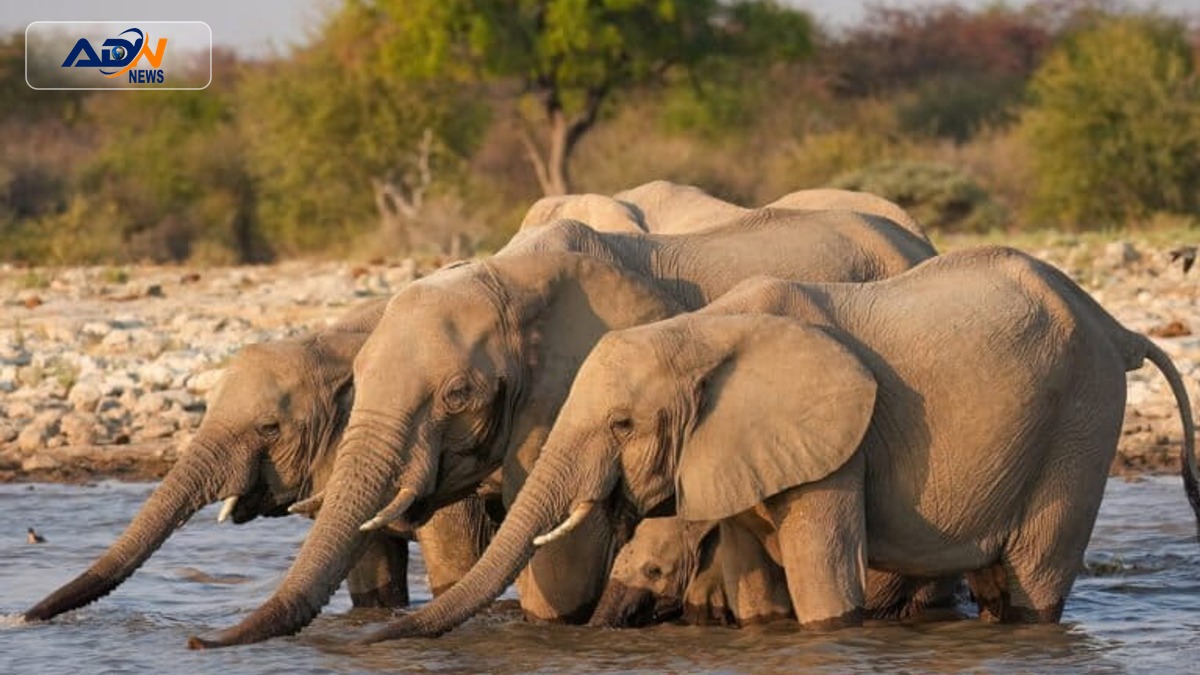
LONDON: A recent report highlights the ongoing challenge of wildlife trafficking in West and Central Africa, revealing that despite significant crackdowns, illegal trade in endangered species persists. The findings underscore the urgent need for enhanced international cooperation and more robust enforcement measures.
The report, published by Mongabay Environment News, details how poaching and trafficking networks continue to thrive, fueled by demand for exotic animals and their parts. Officials from various conservation organizations have expressed concern over the effectiveness of current strategies, emphasizing that without a comprehensive approach, the region’s biodiversity remains at risk.
This situation poses serious implications not only for wildlife but also for local economies and communities that rely on natural resources. The illegal wildlife trade undermines conservation efforts and threatens the livelihoods of those who depend on sustainable practices. Experts warn that if these trends continue, the ecological balance in these regions could be irreparably damaged.
Looking ahead, conservationists are calling for an urgent international summit to address wildlife trafficking, aiming to unify efforts across borders. They stress the importance of collaboration between governments, NGOs, and local communities to develop effective strategies that can combat this pressing issue.