
Zambia’s Edible Insect Tradition Enhances Food Security Potential
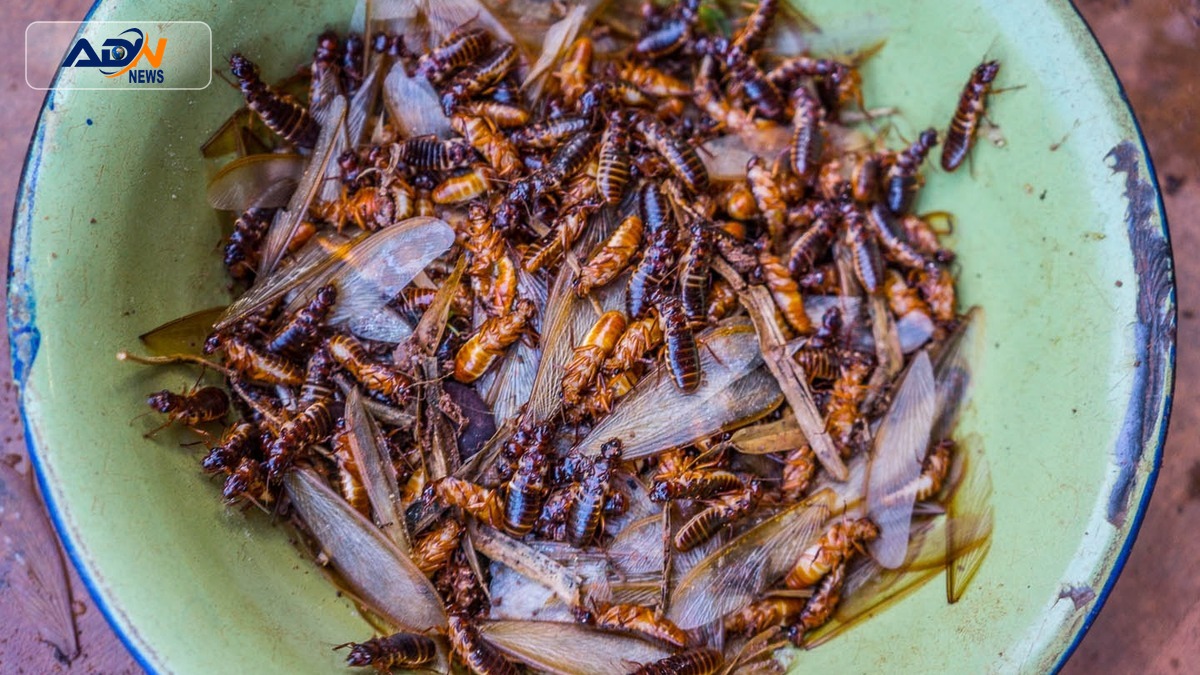
LUSAKA: Zambia’s rich tradition of consuming edible insects is emerging as a viable solution to enhance food security in the region. As the country grapples with rising food scarcity, experts advocate for the integration of these nutrient-dense insects into mainstream diets.
Recent studies highlight that insects such as caterpillars and termites are not only a source of protein but also contribute essential vitamins and minerals. Local authorities and agricultural experts are promoting this practice, emphasizing its sustainability and low environmental impact compared to conventional livestock farming. “Insects can be farmed with minimal resources, making them an ideal food source for rural communities,” said Dr. Mwansa Chanda, a leading entomologist.
The implications of embracing edible insects extend beyond nutrition; they could significantly bolster local economies by creating new markets and job opportunities in insect farming and processing. This shift could also alleviate pressure on overexploited fish and livestock populations, contributing to a more sustainable food system.
Looking ahead, the Zambian government plans to host workshops aimed at educating farmers and communities about insect farming techniques. Additionally, partnerships with NGOs are expected to facilitate research and development in this sector, paving the way for a more resilient food supply chain.