
3 MPO Arrests: Supreme Court Accepts PTI Plea, Modifies Order
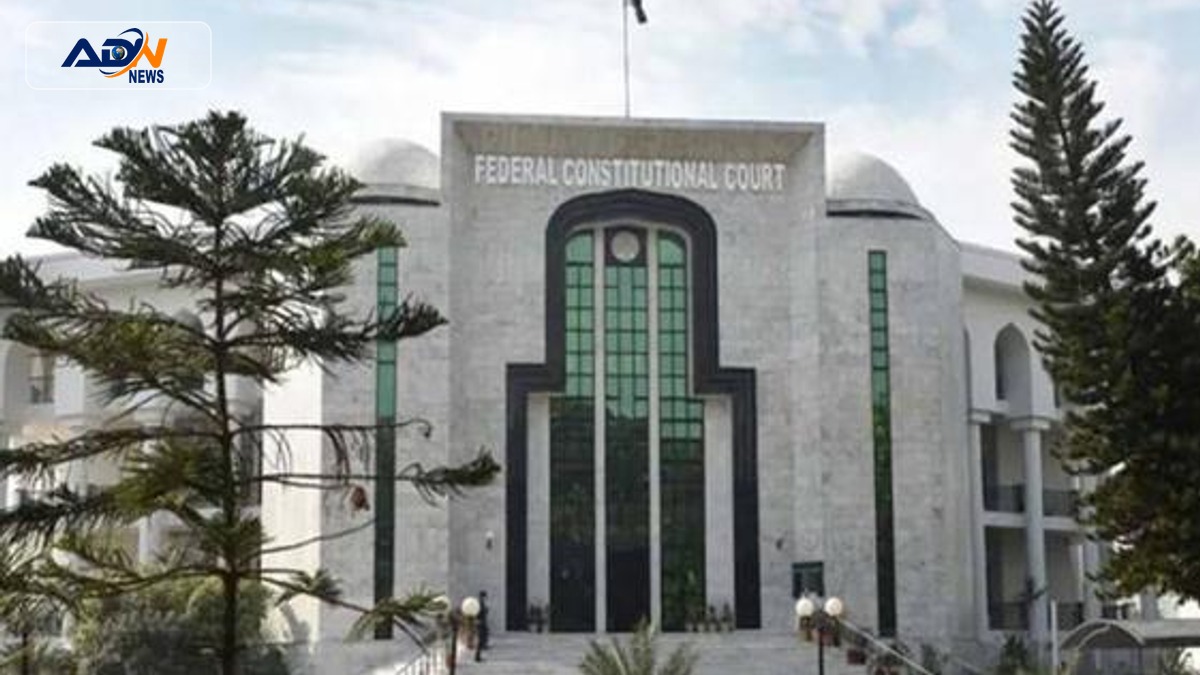
ISLAMABAD: In a significant legal development, the Constitutional Bench of the Supreme Court of Pakistan has accepted a petition filed by Pakistan Tehreek-e-Insaf (PTI) challenging the government’s widespread reliance on Section 3 of the Maintenance of Public Order (MPO) Ordinance, officially modifying its previous judicial order regarding administrative detentions across the country.
The constitutional bench evaluated the opposition party’s grievances regarding repeated preventive detention orders issued by district administrations against political leaders and activists. The court observed that administrative arrest powers under the 3 MPO law must strictly adhere to constitutional guarantees of due process, fundamental rights, and personal liberty, prompting the bench to revise its prior directives to prevent executive overreach.
The MPO Ordinance has long served as a contentious administrative mechanism in Pakistan, frequently invoked by federal and provincial authorities to detain political dissidents and activists ahead of planned demonstrations. PTI’s legal team argued before the apex court that state authorities were systematically deploying 3 MPO detention orders to re-arrest party workers immediately after they secured bail in primary criminal cases.
Under the modified ruling, law enforcement agencies and district magistrates across all provinces will now face stricter judicial oversight when issuing preventive detention orders. Administrative officials are required to present concrete, verifiable evidence justifying any deprivation of liberty under the MPO framework rather than issuing blanket detention decrees.
The court emphasized that constitutional protections regarding freedom of assembly and movement must be upheld by state institutions. Legal experts have welcomed the bench’s decision as a critical safeguard for civil liberties, while provincial law officers have been directed to ensure full compliance with the updated judicial parameters in upcoming proceedings.