
Supreme Court Weighs DNA Evidence in Rape Case Amid Legal Questions
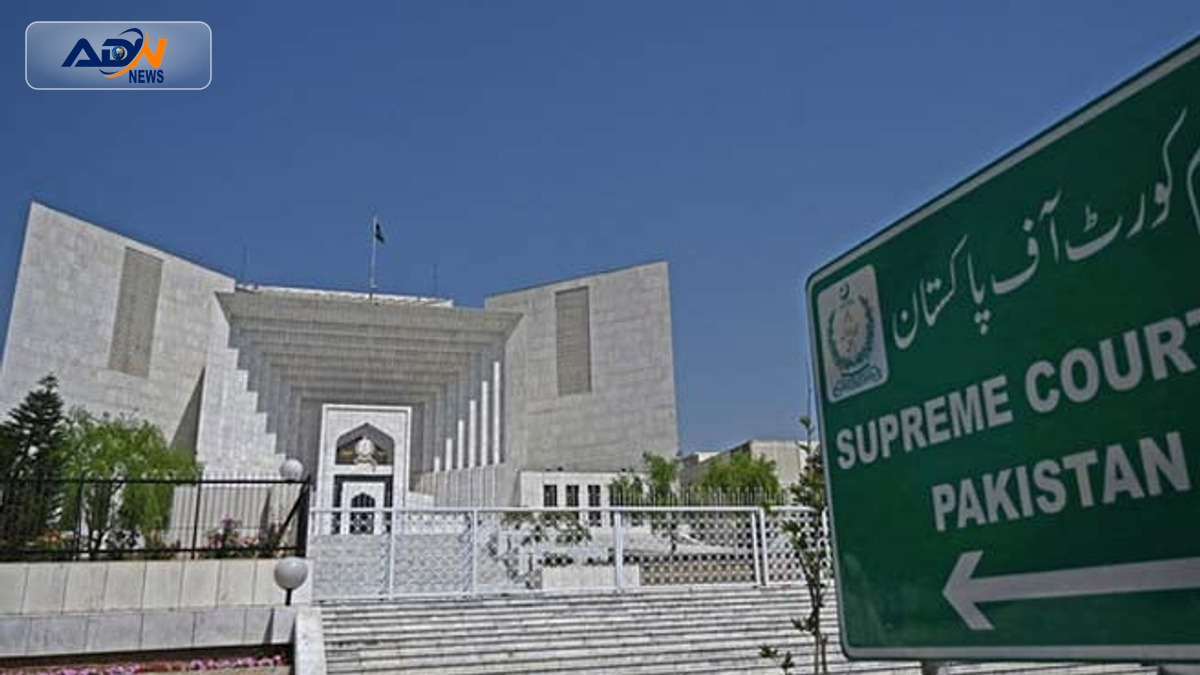
ISLAMABAD: The Supreme Court of Pakistan is deliberating on whether a DNA report can solely substantiate a rape conviction, following a case involving a 25-year-old girl who is hearing and speech impaired. The court has postponed the hearing, requesting further assistance from the lawyers representing both parties.
Justice Malik Shahzad, presiding over the case, highlighted the significant legal questions that have emerged regarding the reliance on DNA evidence in such sensitive matters. The court’s inquiry comes in light of the complexities surrounding the case, which raises concerns about the adequacy of evidence in securing a conviction.
This case underscores the broader implications for the judicial system in Pakistan, particularly in how it addresses sexual assault cases involving vulnerable individuals. The reliance on DNA evidence could set a precedent for future legal proceedings, impacting the rights of victims and the standards of proof required in court.
As the Supreme Court prepares for its next session, legal experts and advocates for victims’ rights are closely monitoring the developments. The outcome could influence not only this case but also the framework for handling similar cases across the country.