
Orionid Meteor Shower Lights Up Night Skies As Annual Activity Begins
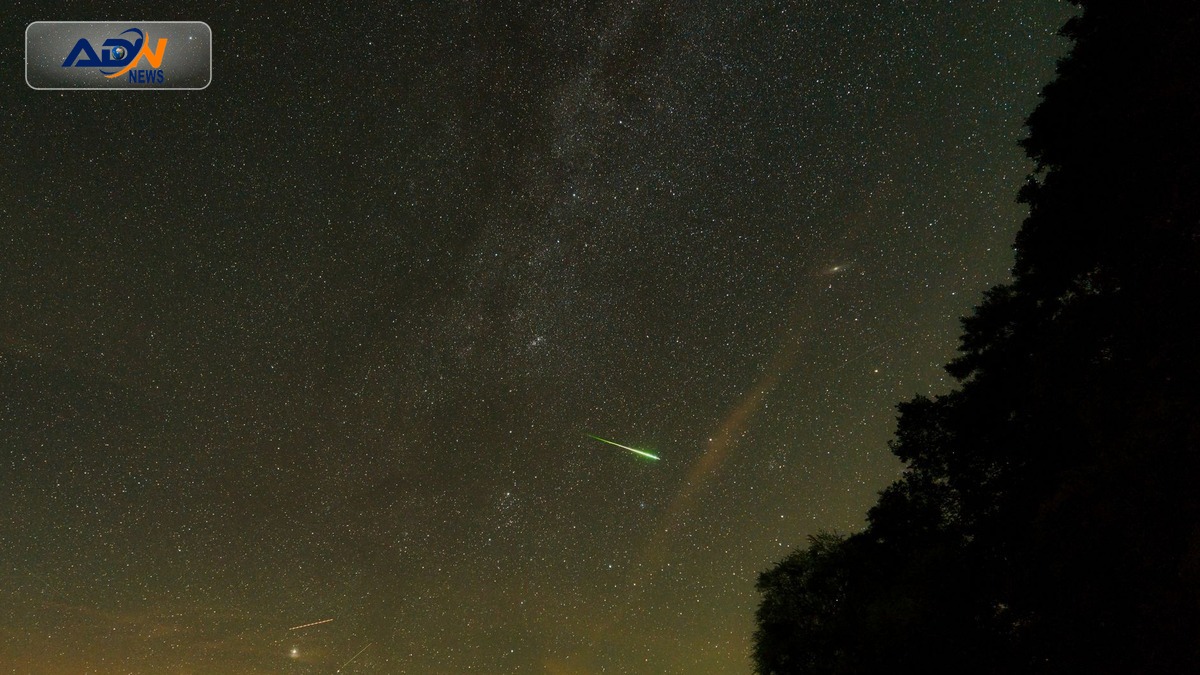
LONDON: Skywatchers and astronomy enthusiasts across the globe are in for a captivating celestial spectacle as the renowned Orionid meteor shower officially becomes active in the night sky, offering a breathtaking annual display that will remain visible through November 7.
Regarded by astronomers as one of the most reliable and picturesque celestial events of the year, the Orionid shower occurs annually when Earth passes through the dense field of cosmic debris left behind by the iconic Halley’s Comet. According to space researchers, these fast-moving meteors travel into Earth’s upper atmosphere at astonishing speeds of nearly 148,000 miles per hour, producing brilliant streaks of light and occasional fireballs that illuminate the celestial canopy across both the Northern and Southern Hemispheres.
Astronomical societies and meteorologists advise stargazers seeking the best viewing experience to venture far away from bright city lights, industrial smog, and heavy urban light pollution to find dark, open locations with unobstructed views of the horizon. Experts emphasize that no specialized equipment, such as expensive telescopes or high-powered binoculars, is required to view the phenomenon, though observers should allow at least thirty minutes for their eyes to fully adapt to the darkness during peak hours between midnight and dawn.
As the meteor stream continues its path through early November, scientific institutions, planetariums, and international observatories are organizing educational public observation sessions to engage local communities and foster scientific interest. Researchers anticipate that tracking the density and frequency of the meteors will provide valuable ongoing data regarding the structural evolution and historical orbit of Halley’s Comet. Furthermore, environmentalists and stargazing advocates note that reducing nocturnal light pollution remains essential not only for astronomical research, but also for preserving natural ecosystems affected by artificial lighting.