
Ecotourism in Laos Reduces Hunting Pressure but Harms Wildlife Access
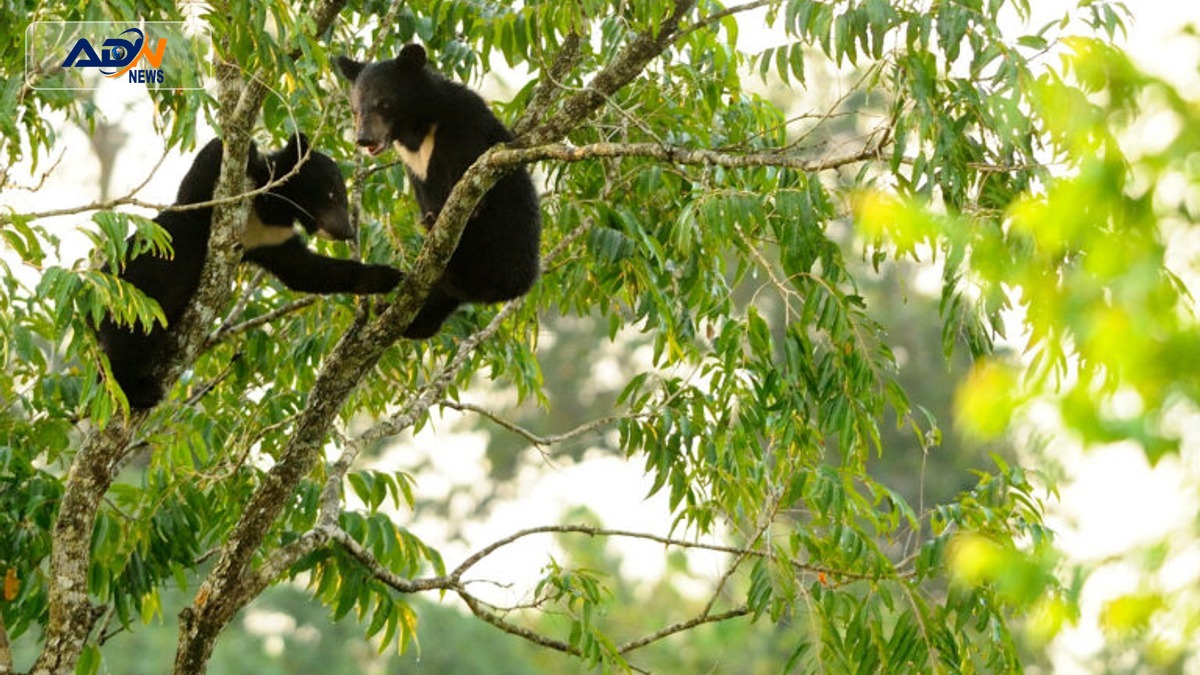
VIENTIANE: A recent study from Laos reveals that while ecotourism initiatives may deter hunters, they inadvertently restrict wildlife access to essential habitats. Conducted by researchers at the National University of Laos, the study highlights the complex relationship between tourism and wildlife conservation.
According to the findings, areas frequented by tourists often see a decline in wildlife presence, as animals avoid regions with high human activity. Lead researcher Dr. Phongthavone Souvannavong stated, “While ecotourism can provide economic benefits and reduce hunting, it also creates barriers for wildlife, which can lead to unintended consequences for biodiversity. We need to find a balance that supports both tourism and wildlife conservation.”
This research underscores the need for sustainable tourism practices that consider the ecological impacts on wildlife. As Laos continues to develop its ecotourism sector, the findings serve as a crucial reminder for policymakers to implement strategies that protect natural habitats while promoting economic growth.
Looking ahead, the Lao government is expected to convene a series of workshops aimed at integrating wildlife conservation into ecotourism planning. Stakeholders from various sectors, including environmental NGOs and local communities, will be invited to discuss sustainable practices that can benefit both the economy and the environment.