
Top Political Leaders Contact Maulana Fazlur Rehman in Urgent Telephonic Talk
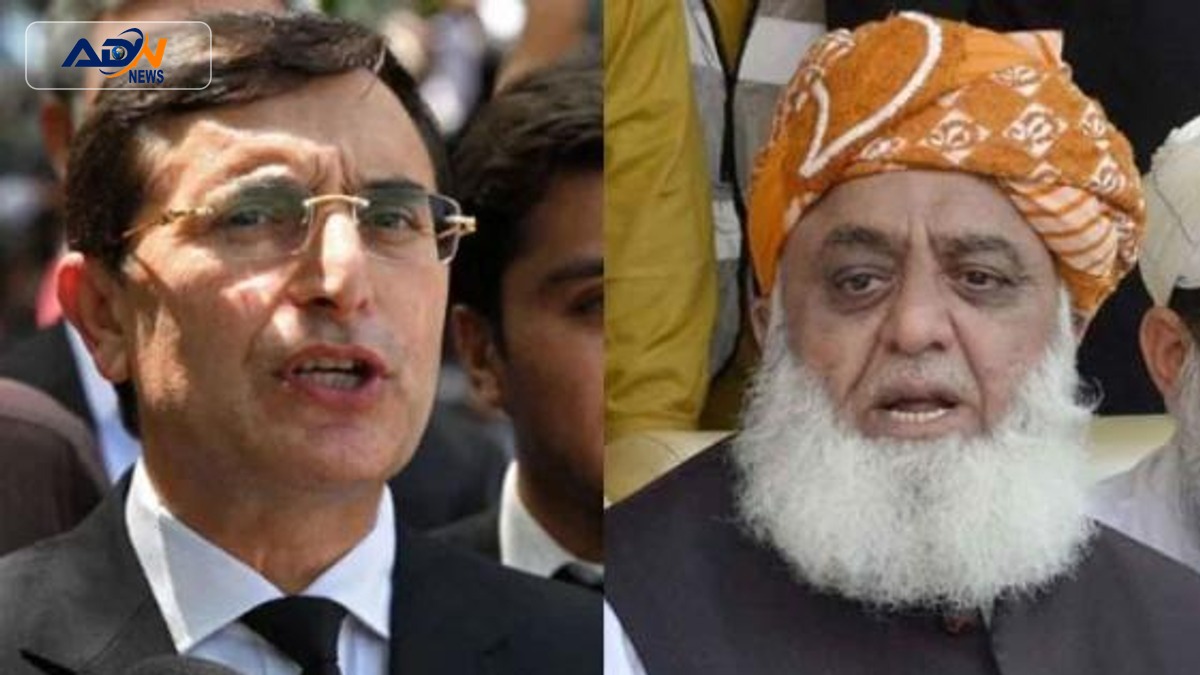
ISLAMABAD: In a significant political development on Wednesday, Pakistan Tehreek-e-Insaf (PTI) Chairman Barrister Gohar Khan and Qaumi Watan Party (QWP) chief Aftab Sherpao made telephonic contact with Jamiat Ulema-e-Islam-Fazl (JUI-F) Emir Maulana Fazlur Rehman to discuss the evolving political landscape of the country. The high-level telephonic exchanges underline ongoing efforts among various political factions to navigate legislative challenges and address governance concerns. According to sources familiar with the discussions, the leaders exchanged views on key national issues, parliamentary strategies, and the broader democratic framework amid persistent political tensions. The dialogue reflects a concerted effort by opposition and allied political stakeholders to maintain communication channels open as crucial policy matters loom on the national horizon.
The telephonic conversations carry considerable weight within Pakistan’s political circles, particularly as parties weigh their options on legislative reforms and constitutional matters. Barrister Gohar conveyed specific party perspectives to Maulana Fazlur Rehman, emphasizing the importance of collaborative opposition strategies in parliament. Meanwhile, Aftab Sherpao’s outreach highlighted the necessity of broad-based political consensus to steer the country out of its current economic and governance complexities. Such backchannel and direct leadership contacts are viewed as vital prerequisites for forging future political alliances or joint parliamentary stances, especially given the fragmented nature of the current assembly.
For ordinary citizens and the broader economy, these political maneuvers signal a period of potential realignment within the legislature, which directly influences policy stability and the pace of governance reforms. Analysts note that ongoing friction between the ruling coalition and opposition groups has often delayed crucial economic legislation. Consequently, any rapprochement or strategic alignment facilitated by veteran politicians like Maulana Fazlur Rehman could either ease parliamentary gridlock or deepen existing political divides, depending on how parties position themselves ahead of upcoming electoral and legislative showdowns. The public remains watchful as these behind-the-scenes deliberations frequently translate into sudden policy shifts or public protests.
Looking ahead, leaders from both sides are expected to hold further formal and informal consultations in Islamabad to finalize their respective roadmaps. Further meetings between parliamentary leaders are anticipated in the coming days to translate these telephonic consultations into concrete political action plans. As the political temperature fluctuates, the role of seasoned mediators like Maulana Fazlur Rehman will likely remain pivotal in determining whether opposition parties can present a unified front or continue pursuing independent political trajectories within the federal legislature.