
Violence Grips Bangladesh as Yunus’ Ancestral Home Burned in Lockdown
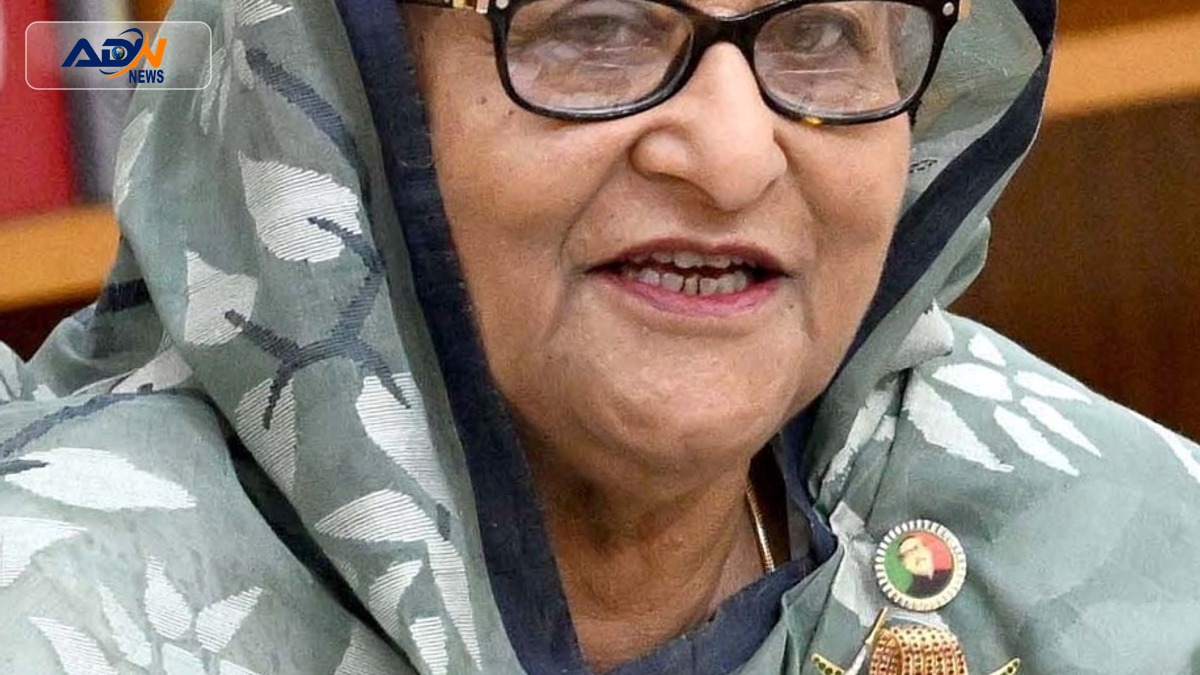
DHAKA: Parts of Bangladesh came to a virtual standstill on Thursday following a nationwide shutdown called by former Prime Minister Sheikh Hasina’s Awami League, which erupted into deadly street violence and arson attacks across multiple districts. Authorities confirmed that at least two ruling party members were killed in violent clashes, while the ancestral home of interim chief advisor and Nobel laureate Muhammad Yunus was set ablaze by angry crowds ahead of Hasina’s announced return to the country in December.
The enforced lockdown marks the peak of a week-long campaign of intense demonstrations and rallies organized by Awami League loyalists. The unrest was triggered by the interim administration’s recent rejection of Hasina’s official request for a new passport and national identity card—documents essential for her planned return from self-imposed exile. In response to the escalating turmoil, Border Guard Bangladesh (BGB) spokesperson Shariful Islam announced that 97 platoons of border troops have been deployed across seven critical districts, particularly in Gopalganj and Faridpur, which remain key strongholds for Hasina supporters.
The rapid descent into widespread civil unrest poses a severe challenge to the stability of the South Asian nation, which has struggled to regain economic and political equilibrium in recent months. The targeting of high-profile political figures and symbolic properties underscores the deepening partisan divide, threatening to derail crucial economic recovery efforts and disrupt vital supply chains across major urban centers.
In response to the deteriorating law and order situation, high-level security meetings are underway in Dhaka, with police forces instructed to step up vigilance around critical infrastructure and diplomatic zones. Meanwhile, Awami League leadership has threatened to escalate its agitation unless the government reverses its stance on Hasina’s travel documentation, raising fears of prolonged political paralysis in the coming weeks.