
Pakistan Faces LNG Crisis as Strait of Hormuz Closure Disrupts Supply
ISLAMABAD: Pakistan is grappling with a severe LNG crisis following the closure of the Strait of Hormuz on February 28, 2026, which prompted QatarEnergy to declare force majeure. The closure has left Pakistan, heavily reliant on Qatari LNG, scrambling for alternatives as it faces a critical shortage of gas and oil storage.
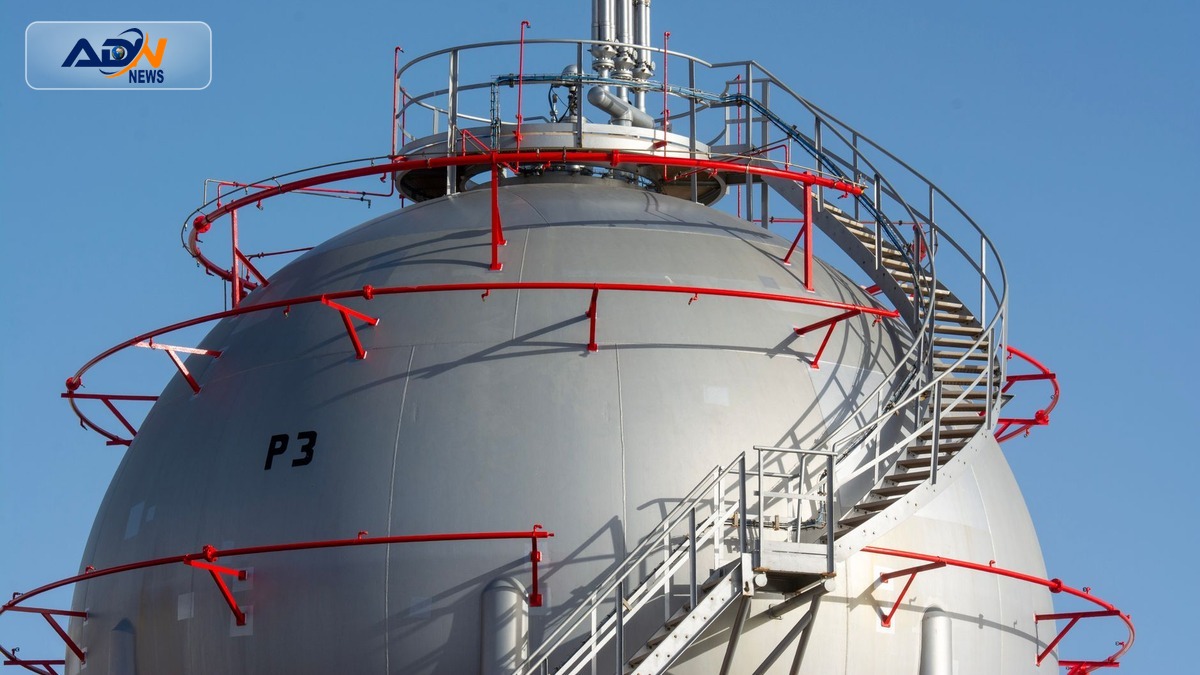
In response to the crisis, Pakistan has requested Saudi Arabia to reroute crude oil shipments through the Red Sea while releasing gas that had been stockpiled for weeks. The lack of adequate storage facilities has exacerbated the situation, as Pakistan has never built sufficient reserves to manage fluctuations in supply and demand.
The timing of the crisis is particularly detrimental. Years of long-term LNG contracts, coupled with IMF-driven tariff changes, have made gas prohibitively expensive for industries that previously relied on captive power plants. As a result, many have transitioned to solar energy, leading to a significant drop in demand for gas just as the country found itself locked into contracts for more than it could use. With domestic gas production curtailed by up to 350 mmcfd, the closure of the Strait has left the nation in a precarious position.
Looking ahead, authorities must urgently address the storage deficit and explore alternative energy sources to mitigate the impact of this crisis. Discussions with international partners and potential investments in infrastructure are critical to ensure energy security for the future.