
Pakistan Launches First Biomass Energy Plant to Boost Rural Livelihoods
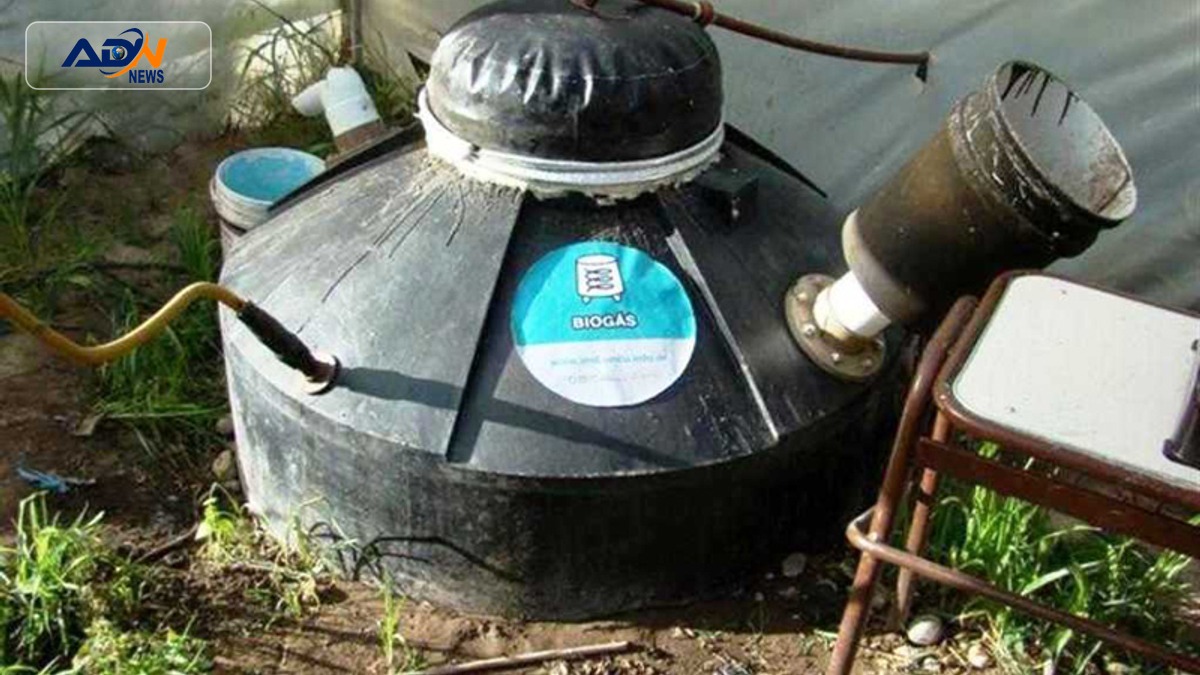
ISLAMABAD: Pakistan has inaugurated its first biomass energy demonstration plant in Sajawal, Sindh, aimed at enhancing rural livelihoods, mitigating greenhouse gas emissions, and alleviating pressure on forest resources.
Located within the Pinnah Reserved Forest, this plant is part of the Promotion and Application of Sustainable Biomass Energy Technologies in Pakistan (PASBET) project, funded by the Global Environment Facility and implemented by the United Nations Development Programme (UNDP) in collaboration with the Ministry of Climate Change and Environmental Coordination. The Sindh government and UNDP jointly inaugurated the facility, marking the first of four planned demonstration sites to showcase scalable woody biomass-based energy technologies.
The PASBET initiative, a five-year project with a budget of $3.5 million, seeks to promote sustainable biomass energy technologies across Sindh, Punjab, Balochistan, and Khyber Pakhtunkhwa. It aims to demonstrate that Pakistan can meet its rural energy needs while simultaneously protecting its forests. “This plant shows how locally available residues can be turned into energy,” said an official during the inauguration.
As the country grapples with energy shortages, this project represents a significant step towards sustainable energy solutions. The successful operation of this biomass plant could pave the way for further investments in renewable energy technologies, potentially transforming the energy landscape in rural areas. Future developments will include the establishment of additional biomass plants and ongoing assessments of their impact on local communities and the environment.