
Indonesians Facing El Niño Fires Offer Crucial Lessons for Global Response
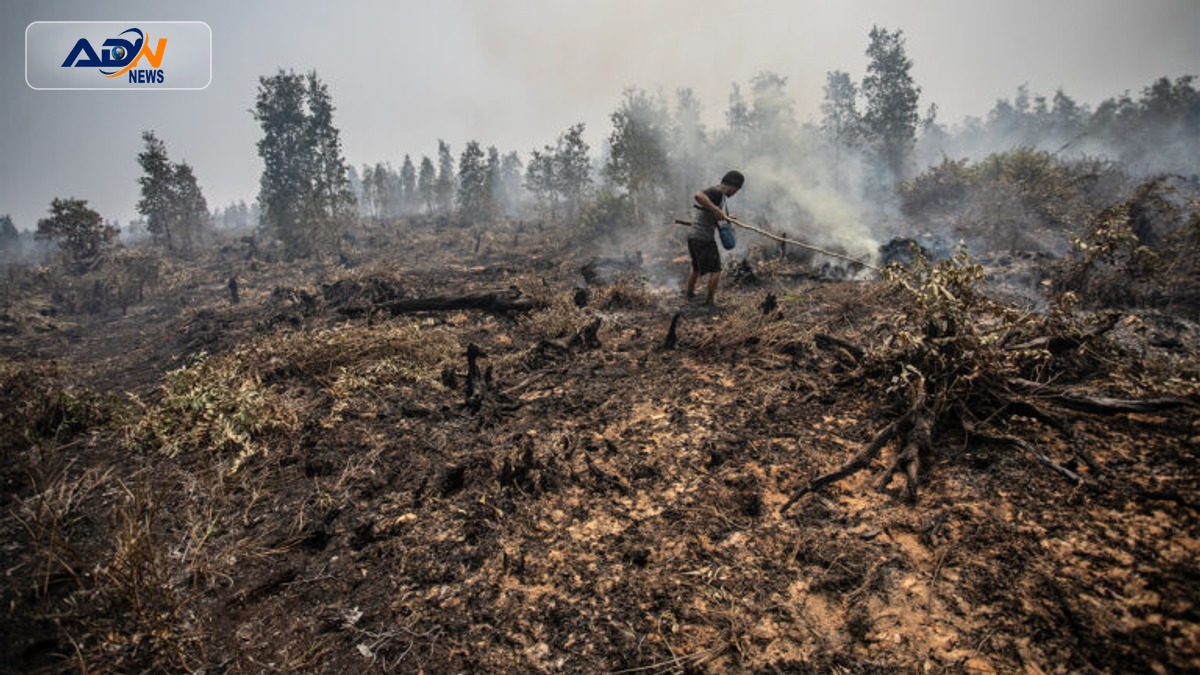
JAKARTA: As Indonesia grapples with the devastating impacts of El Niño-induced wildfires, the nation stands as a critical case study for global environmental strategies. The phenomenon, which has intensified drought conditions across the region, has led to widespread forest fires, threatening biodiversity and air quality.
Experts emphasize that Indonesia’s experience highlights the urgent need for comprehensive disaster management policies. According to environmental analyst Dr. Rina Suharto, “The Indonesian government must prioritize sustainable land management to mitigate the effects of future El Niño events.” The current crisis has already displaced thousands and raised concerns over health risks associated with smoke pollution.
The implications of Indonesia’s situation extend beyond its borders, as the smoke from these fires affects air quality in neighboring countries, exacerbating regional tensions. This environmental crisis underscores the interconnectedness of climate issues and the necessity for collaborative international responses to effectively address such challenges.
Looking ahead, Indonesia is expected to engage in discussions with ASEAN partners to develop a regional strategy for wildfire prevention and response. Additionally, upcoming climate summits will likely focus on integrating lessons learned from Indonesia’s current struggles into broader global climate action frameworks.