
Pakistan Faces Rising Costs Amid High US Interest Rates and Recovery Efforts
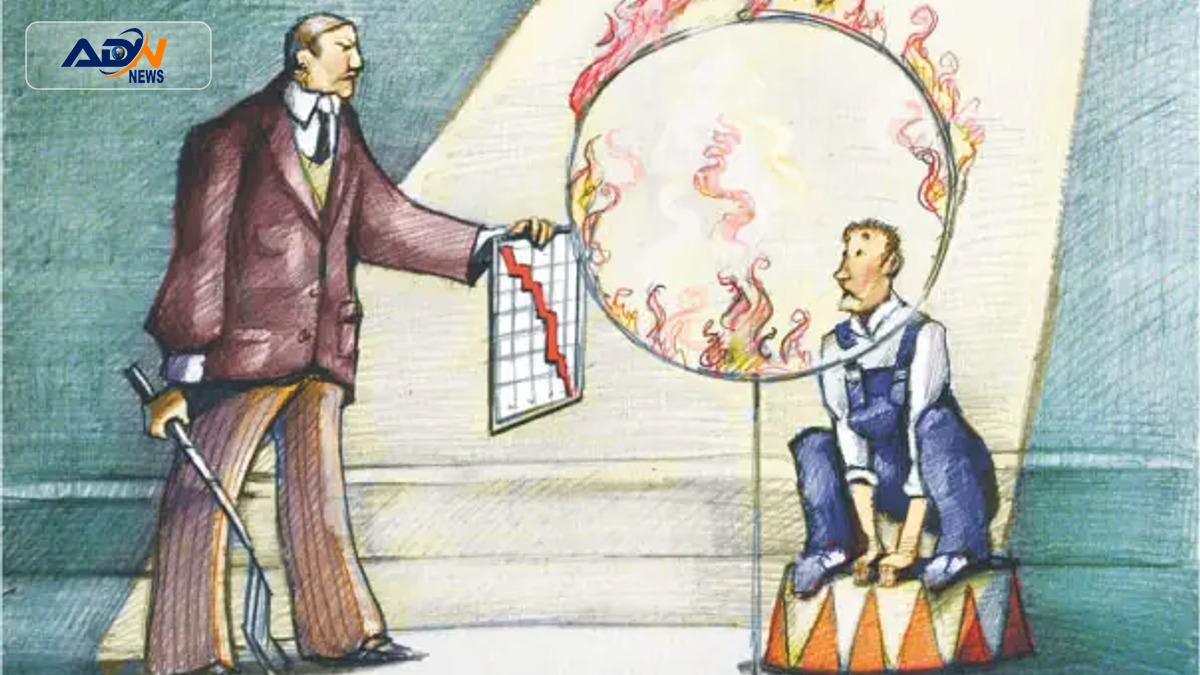
ISLAMABAD: Pakistan is grappling with the repercussions of elevated US interest rates, which have surged above five percent, impacting the nation’s financial landscape as it seeks to stabilize its economy. The yield on the 10-year US Treasury reached 5.29% on September 29, marking its highest level since 2007.
The rise in US rates means that Pakistan will incur higher costs for dollar-denominated borrowing. This situation complicates the country’s financial strategy, as persistently high rates not only increase the returns demanded by foreign investors but also depress the valuations of state assets slated for privatization. Additionally, the cost of maintaining foreign reserves escalates, further complicating domestic monetary policy.
Despite a recovery in foreign-exchange reserves to $21.4 billion by mid-September, a significant achievement following a near-crisis earlier this year, the overall external financial position remains precarious. The reserves, while appearing robust, may mask underlying vulnerabilities if they are bolstered by new external liabilities.
Looking ahead, Pakistan must navigate these challenges carefully, balancing the need for international borrowing against the backdrop of high interest rates. Policymakers are expected to convene soon to discuss strategies for managing the economic fallout and ensuring sustainable growth amidst these global financial pressures.