
Rhino Siblings Markus and Mo Celebrate First Birthday With Special Cake
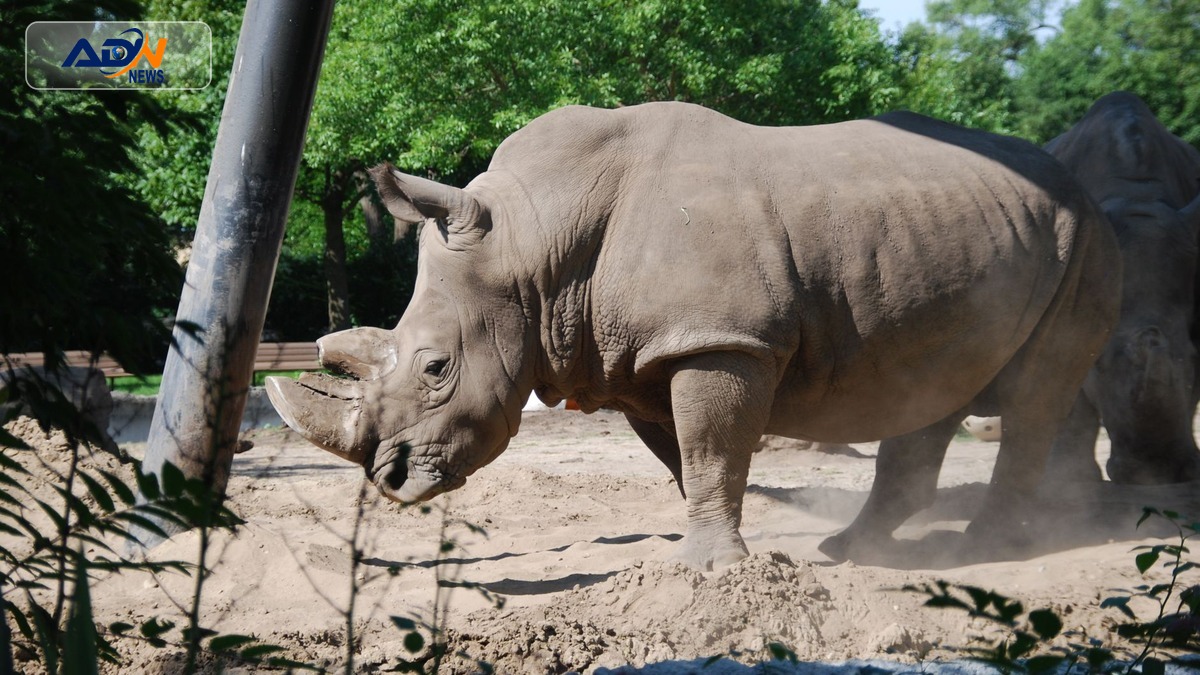
LONDON: In a heartwarming milestone for international wildlife conservation, rhino siblings Markus and Mo have officially celebrated their first birthday with a specially prepared, nutrient-rich cake, drawing global attention to captive breeding achievements. The pair, whose journey has been closely monitored by zoological experts and wildlife enthusiasts around the globe, reached the one-year landmark in robust health, marking a crucial step forward in ongoing biodiversity preservation efforts.
The brother-and-sister duo has demonstrated extraordinary growth metrics over the past twelve months. Tipping the scales at approximately 70 kilograms (11 stone) each at the time of their birth, Markus and Mo have now expanded to a massive 500 kilograms (78 stone) apiece. Zookeepers and veterinary specialists attribute this robust physical development to an optimized botanical dietary regimen, round-the-clock specialized care, and a climate-controlled enclosure designed to replicate their natural wilderness habitats.
Beyond the festive occasion, the healthy development of Markus and Mo carries critical implications for global rhinoceros conservation initiatives. Rhinoceros species across Africa and Asia continue to face severe threats from rampant illegal poaching, wildlife trafficking, and habitat fragmentation driven by human encroachment. Captive breeding milestones provide crucial genetic security, actionable scientific data, and prospective rewilding insights needed to protect endangered pachyderms from the brink of total extinction.
Looking ahead, zoological teams will continue to track the siblings’ behavioral milestones and physical progression as they transition into their juvenile years. Conservation officials confirmed that Markus and Mo will feature prominently in upcoming educational campaigns intended to foster public awareness about environmental stewardship. Detailed research findings regarding their growth metrics will also be shared across international wildlife networks to support broader species recovery frameworks.